
2026 Causes of Lip Pigmentation: Environmental Triggers & Solutions
Discover 2026 causes of lip pigmentation linked to blue light, climate, and diet. Learn solutions for even, healthy lips.
2026 Causes of Lip Pigmentation: Environmental Triggers & Solutions
In 2026, the Causes of lip pigmentation are increasingly tied to modern environmental stressors and lifestyle habits. From prolonged blue light exposure to climate change-induced dryness, understanding these triggers is key to maintaining healthy, even-toned lips. This guide explores actionable strategies to address these concerns while integrating gentle lip care routines.
Does Blue Light from Phones Cause Lip Darkening?
Research in 2026 confirms that blue light from screens can contribute to lip pigmentation. The high-energy visible light (HEVL) emitted by phones and computers generates oxidative stress, which may darken lip tissue over time. To mitigate this:
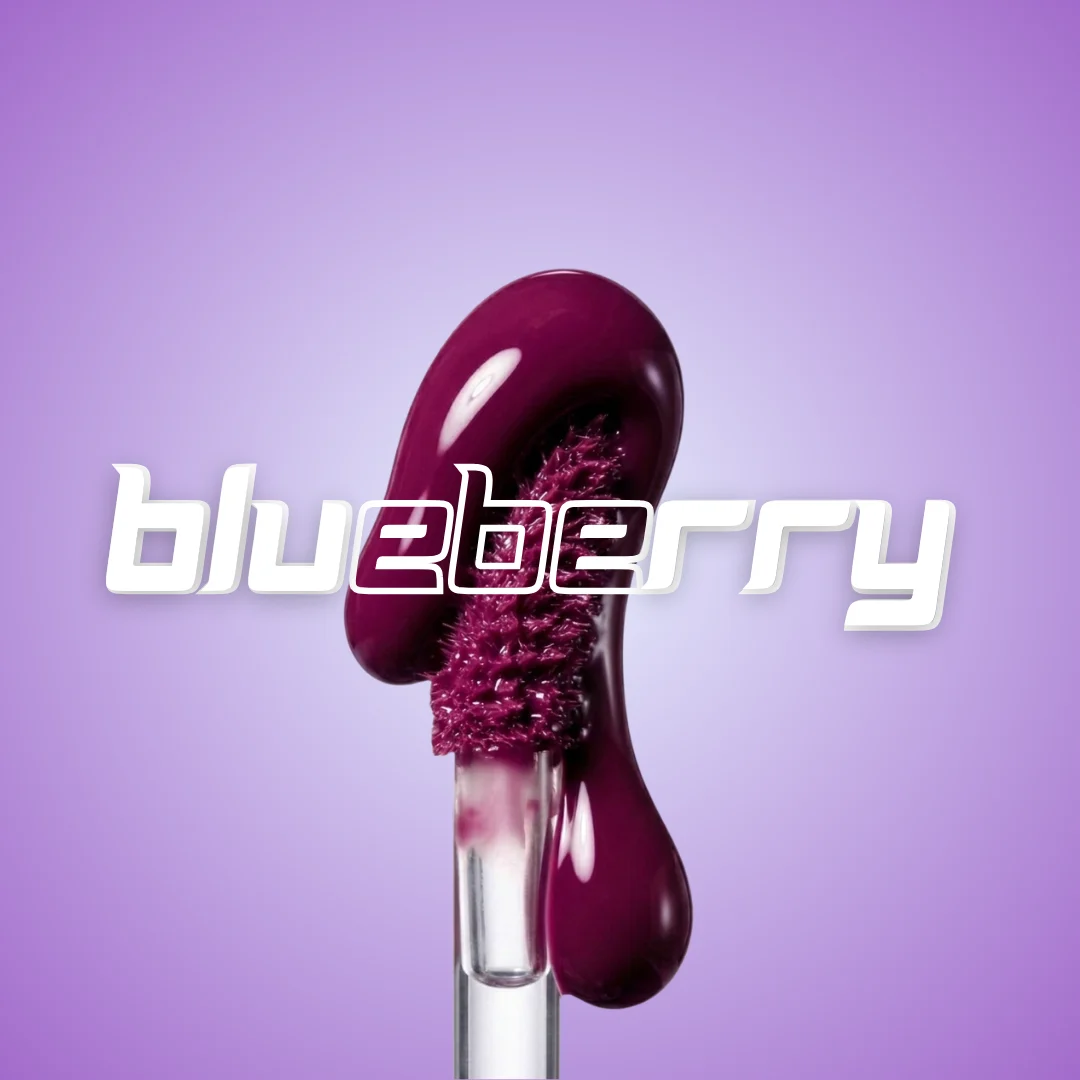
- Apply a physical barrier like KuriCares’ Blueberry Lip Oil during screen-heavy work hours.
- Use blue light filters on devices during extended use.
- Rehydrate lips with antioxidant-rich oils like raspberry seed oil post-exposure.
How Does Climate Change Affect Lip Pigmentation?
2026 climate trends show erratic humidity and UV exposure accelerating lip dryness and uneven pigmentation. Dry climates strip natural oils, while UV radiation stimulates melanin production. Key solutions include:
- Layer a hydrating balm like Kuri Cherry Lip Oil under SPF lip products.
- Stay indoors during peak UV hours (10 AM–4 PM) and use UV-index apps.
- Incorporate humidifiers indoors to combat environmental dryness.
Can Acidic Lip Products Cause Permanent Discoloration?
Overuse of acidic lip products—such as those with glycolic acid or vitamin C—can erode the lip barrier, leading to uneven pigmentation. A 2026 study links frequent application of pH-unbalanced products to irreversible darkening. To protect lips:
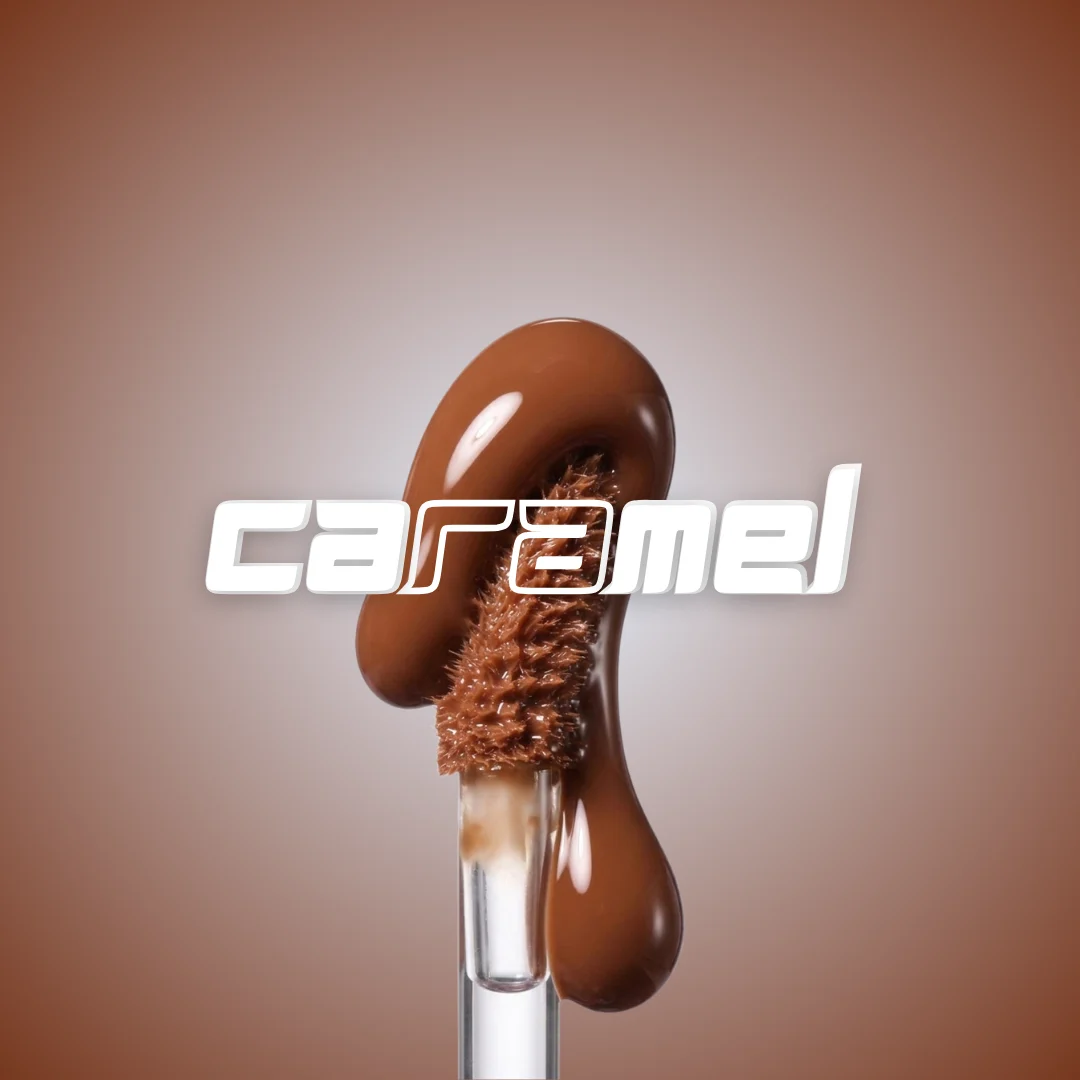
- Opt for pH-neutral formulas like Kuri Caramel Lip Oil.
- Limit exfoliating lip treatments to 1–2 times weekly.
- Follow acidic products with a moisturizing balm to restore the barrier.
Are There Dietary Triggers for Lip Pigmentation?
Emerging 2026 research points to high-acid diets (citrus, tomatoes) and iron-deficiency anemia as contributors to lip discoloration. Social media trends also highlight dehydration’s role in lip dryness. For dietary support:
- Boost iron intake with leafy greens and pair with vitamin C for absorption.
- Hydrate with collagen-infused water or herbal teas.
- Limit acidic foods and rinse lips after consumption.
Why Do Lips Darken with Age in 2026?
Aging lips in 2026 face compounded stress from cumulative UV exposure, digital screen use, and climate shifts. Thinning skin and reduced collagen make pigmentation more visible. Proactive care includes:
- Using antioxidant-rich products like Kuri Bubble Gum Lip Oil daily.
- Scheduling annual dermatology checkups for early pigmentation detection.
- Adopting a “lips-first” SPF routine with mineral-based formulas.
Disclaimers
This article is for informational purposes only. Always consult a healthcare professional.
Next Steps
For more insights on environmental lip care trends or natural solutions, explore our lip lightening guides.