
2026 Chapped Lips Solutions: Climate-Adaptive Lip Care Guide
Combat 2026's extreme weather with climate-adaptive lip care. Discover natural solutions, product recommendations, and routines to heal chapped lips caused b...
2026 Chapped Lips Solutions: Climate-Adaptive Lip Care Guide
In 2026, climate volatility has made chapped lips a persistent challenge. Rising temperatures, sudden humidity shifts, and prolonged dry spells are disrupting traditional lip care routines. This guide offers science-backed strategies and product recommendations to protect your lips from extreme weather while addressing sensitivity and hydration needs.
How to Fix Chapped Lips in 2026's Extreme Weather?
Climate shifts demand climate-adaptive solutions. Modern lip balms now incorporate hyaluronic acid for moisture retention and plant-based ceramides to repair the skin barrier. For immediate relief, follow this routine:
- Exfoliate gently with a soft cloth to remove dead skin
- Apply a hyaluronic acid serum for deep hydration
- Lock in moisture with a balm containing shea butter or avocado oil
- Reapply every 2 hours in fluctuating temperatures
For sensitive lips, avoid products with menthol or synthetic fragrances that can worsen chapping. Chemist at Play's SPF balm and Sereko Lip Balm are top choices for extreme weather protection.
Are Natural Lip Balms Effective Against Climate Chapping?
Yes, but with caveats. Look for natural balms with:
- Jojoba oil for mimicking skin's natural oils
- Coconut oil for moisture barrier reinforcement
- Vitamin E for antioxidant protection
- Beeswax for physical protection against wind
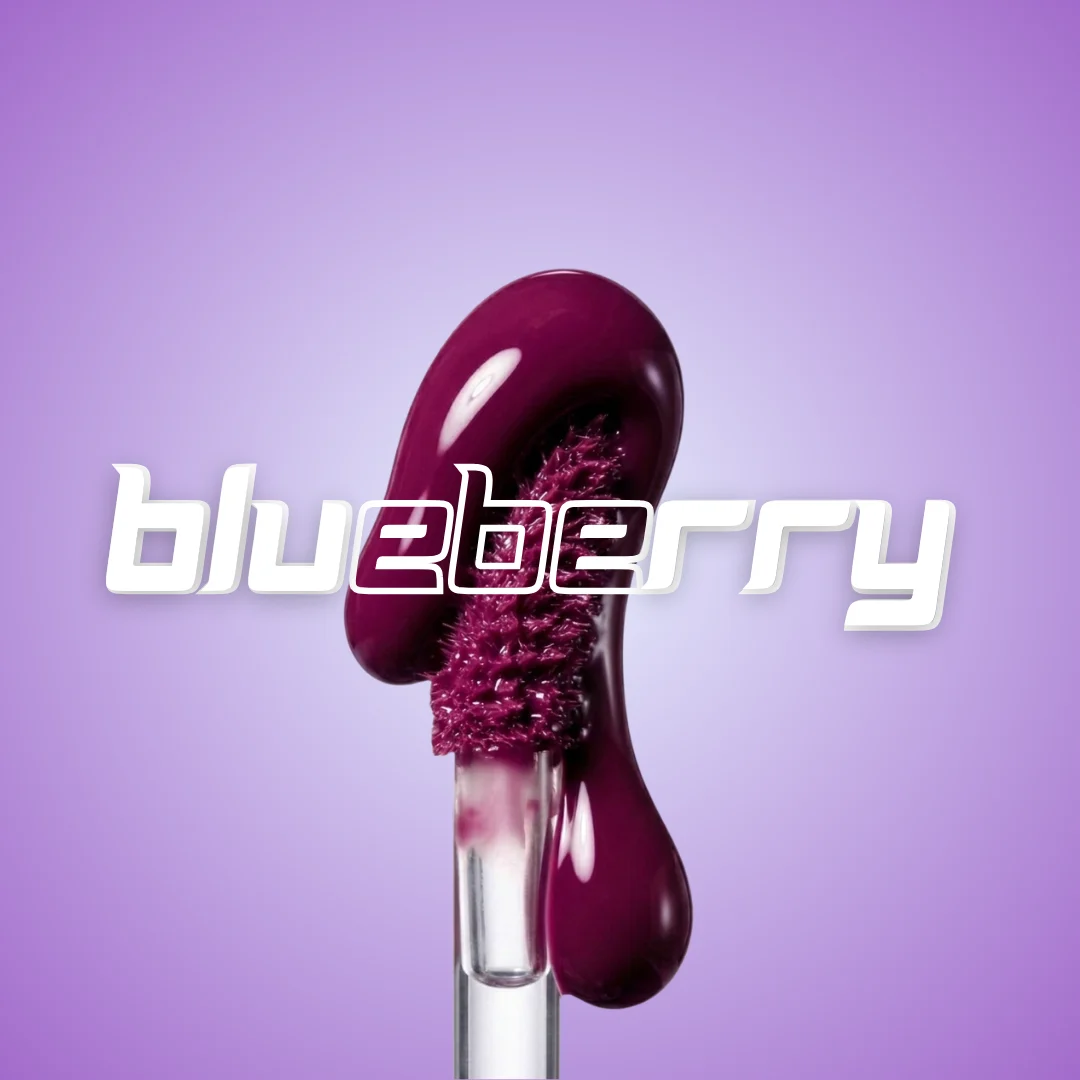
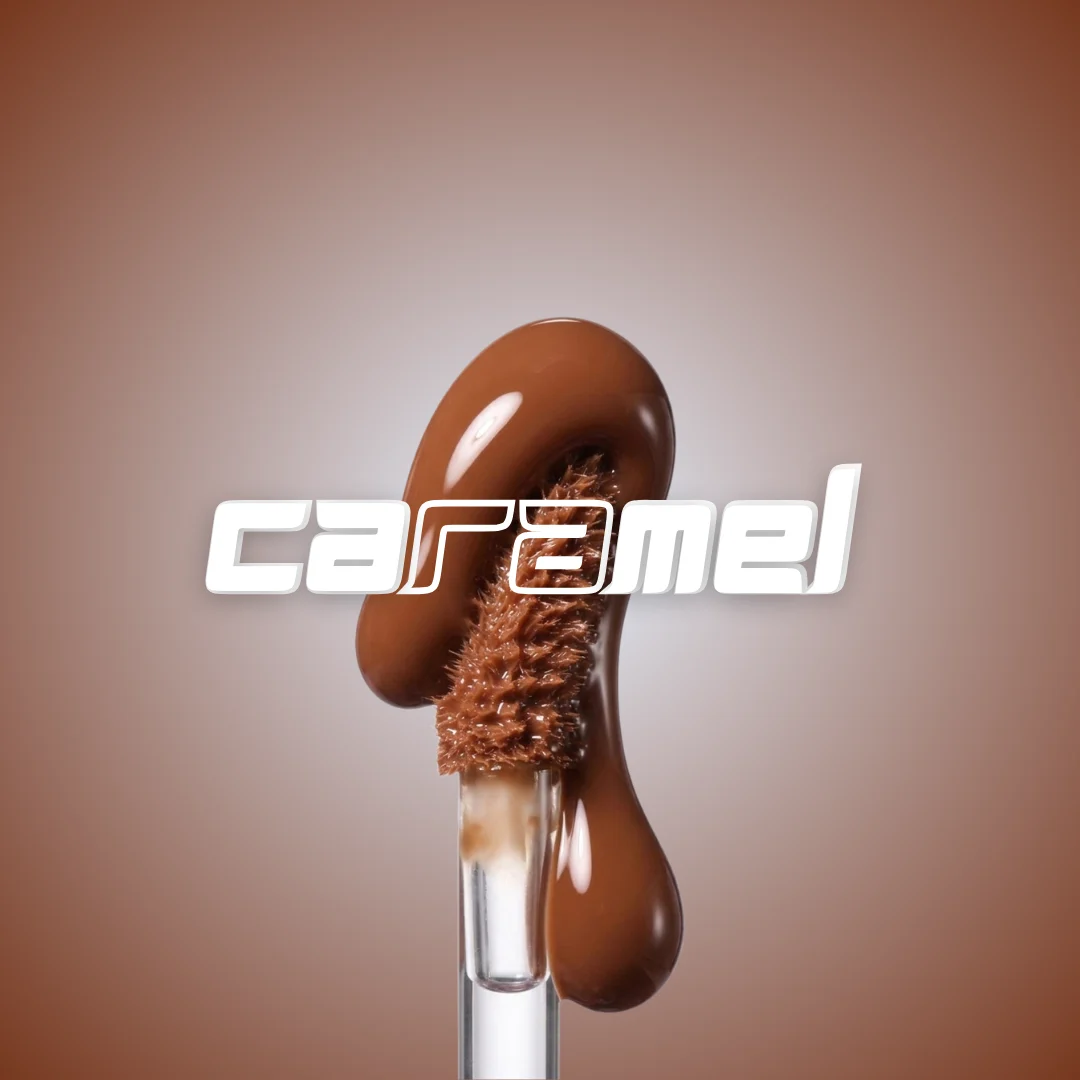
For 2026's climate challenges, consider Kuri Blueberry Lip Oil (hyaluronic acid + avocado oil) or Kuri Caramel Lip Oil (shea butter + raspberry seed oil). These formulas address both hydration and pigmentation concerns.
What to Avoid in 2026 for Sensitive Lips?
Climate-adaptive lip care requires ingredient awareness. Avoid:
- Synthetic fragrances that disrupt skin barrier
- Menthol/peppermint oil causing temporary numbing and dryness
- Alcohol-based formulas that evaporate moisture
- Products with SPF 15+ without physical sunscreens (zinc oxide)
For DIY solutions, Vaseline-based treatments remain popular when combined with natural oils. Always patch-test new products before full application.
How Often to Reapply Lip Balm in Fluctuating Temperatures?
2026's weather patterns demand proactive care:
- Indoor-outdoor transitions: Reapply after 30 minutes
- Humid days: Every 2-3 hours to prevent moisture overload
- Wind/sun exposure: Every hour with SPF protection
- Indoor heating: Every 4 hours to combat dry air
Carry a travel-sized Kuri Bubble Gum Lip Oil for on-the-go hydration with SPF protection.
Can Hydration Supplements Help with Chronically Chapped Lips?
Internal hydration complements external care. Consider:
- Collagen supplements: Support skin elasticity
- Vitamin B complex: Prevents angular cheilitis
- Omega-3 fatty acids: Reduce inflammation
- Electrolyte drinks: Maintain moisture balance
Pair supplements with summer-specific routines for maximum effectiveness. Always consult a dermatologist before starting new supplements.
This article is for informational purposes only. Always consult a healthcare professional.