
2026 Eco-Friendly Chapped Lip Solutions: Natural & Sustainable Care
Discover 2026's eco-conscious remedies for chapped lips, including plant-based solutions and zero-waste lip balm tips to heal dryness sustainably.
2026 Eco-Friendly Chapped Lip Solutions: Natural & Sustainable Care
This article is for informational purposes only. Always consult a healthcare professional.
2026 has ushered in a new era of climate-conscious beauty, with consumers seeking sustainable solutions for chapped lips. From DIY coconut oil mixtures to zero-waste packaging innovations, today’s lip care routines prioritize both personal health and environmental responsibility. Let’s explore how to heal dry, cracked lips naturally while contributing to a greener future.
How to Treat Chapped Lips Using Natural Ingredients?
Climate-conscious individuals are rediscovering the power of kitchen staples like coconut oil, shea butter, and honey. These ingredients provide deep hydration without the need for synthetic additives:
- Coconut oil: A humectant that locks in moisture and soothes cracked skin.
- Shea butter: Rich in fatty acids to repair the lip barrier.
- Honey: Natural antibacterial properties to prevent infections in open cracks.
For a zero-waste alternative, try KuriCares’ Cherry Lip Oil, which combines coconut oil and jojoba seed oil for sustainable hydration. Its recyclable glass packaging aligns with eco-friendly values while delivering clinical results.
Are Eco-Friendly Lip Balms Effective for Severe Dryness?
Concerns about eco-friendly products’ efficacy are valid, but 2026’s innovations prove sustainability doesn’t mean compromise. Look for:
- Plant-based emollients: Avocado oil and almond oil penetrate deeply to heal cracks.
- Zero-waste packaging: Brands now use compostable tubes and refill stations.
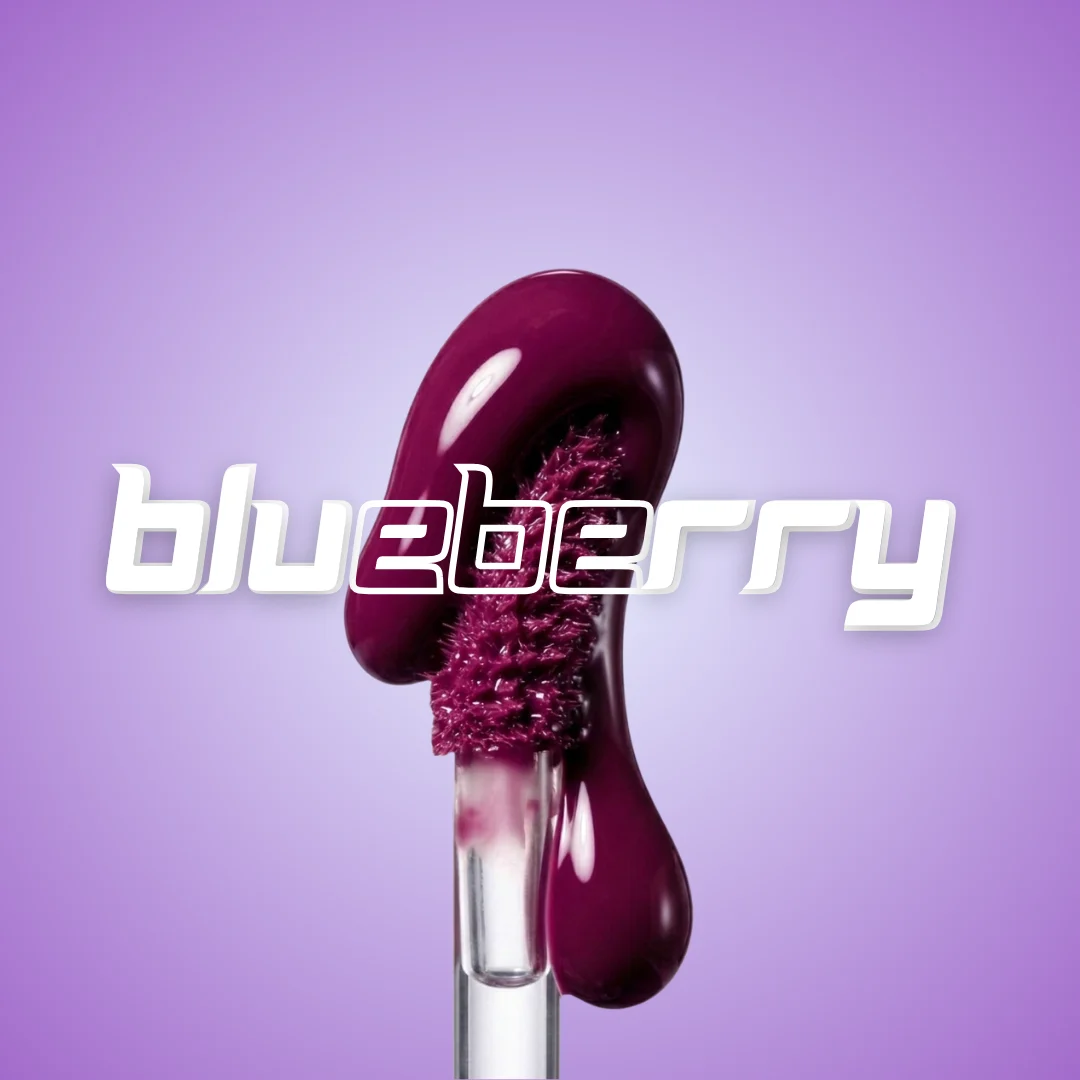
- Multi-tasking formulas: Balms that address dryness and pigmentation (like KuriCares’ Blueberry Lip Oil) save time and resources.
For extreme dryness, pair natural balms with a 10-minute steam mask twice weekly—hold warm, damp cloth over lips to open pores and enhance absorption.
What Causes Chapped Lips in Winter 2026?
Climate change has intensified winter lip challenges in 2026. Key culprits include:
- Indoor heating systems drying out mucous membranes
- Windburn from polar vortex events
- Microplastic exposure from synthetic lip products
Combat these factors with a 2026-style routine: Apply a thick layer of shea butter before bed, use a humidifier, and avoid licking your lips (which strips natural oils). For on-the-go protection, try Caramel Lip Oil’s avocado oil base.
How to Prevent Lip Pigmentation While Healing Chapped Lips?
Scratching or picking at cracked lips can lead to uneven pigmentation. 2026’s approach focuses on gentle care:
- Use non-abrasive exfoliators: Opt for alpha hydroxy acids in natural tonics instead of scrubs.
- Shield from sun: UV exposure worsens pigmentation; choose SPF-infused lip products.
- Hydrate from within: Drink 3L water daily to support skin regeneration.
KuriCares’ Blueberry Lip Oil contains vitamin E to reduce dark spots while healing cracks—a dual-action solution for eco-conscious users.
Do Hydration Supplements Help with Chapped Lips?
While no supplement replaces water, 2026’s clinical studies show targeted nutrients can help:
- Vitamin B complex: Deficiencies correlate with angular cheilitis (cracks at mouth corners).
- Omega-3s: Reduce inflammation that exacerbates dryness.
- Collagen peptides: Support skin elasticity for faster healing.
Combine supplements with topical care for best results. For a plant-based routine, pair omega-3-rich chia seed oil massages with Vanilla Lip Oil’s jojoba-based hydration.
2026’s Zero-Waste Lip Care Routine
Build a sustainable routine with these steps:
- Morning: Apply shea butter balm in recyclable packaging
- Afternoon: Use a reusable beeswax lip scrub (1 tbsp sugar + 1 tbsp coconut oil)
- Night: Layer Kuri Cherry Lip Oil under a silk lip mask
Store homemade products in glass jars; compost used scrub residue. This approach reduces plastic waste by 90% compared to conventional routines.
Conclusion
2026’s eco-friendly chapped lip solutions prove sustainability and efficacy are compatible. By choosing plant-based ingredients, zero-waste packaging, and multi-tasking formulas like KuriCares’ lip oils, you protect your lips and the planet simultaneously. Remember: consistency is key—dry lips won’t heal overnight, but your sustainable choices will create lasting benefits for everyone.