
2026 Lip Balm Guide: Natural Solutions for Pigmentation & Dark Lips
lip balm for pigmentation: Discover 2026's top natural lip balms for pigmentation. Learn how clean ingredients like licorice root and vitamin C address dark...
2026 Lip Balm Guide: Natural Solutions for Pigmentation & Dark Lips
2026 marks a turning point in lip care for pigmentation, where science and nature unite to address dark, uneven lips. Today’s lip balm for pigmentation prioritizes clean, plant-based ingredients like licorice root extract and vitamin C to brighten lips while protecting delicate skin. If you’ve wondered how to fade discoloration without harsh chemicals, these innovations offer hope. Below, we explore what causes lip pigmentation, why 2026’s formulas stand out, and how to choose products that work.
What Causes Lip Pigmentation and How to Prevent It?
Lip pigmentation often stems from sun exposure, smoking, allergic reactions to products, or hormonal changes. Chronic dryness and friction from licking lips can also darken skin over time. Prevention starts with SPF-infused lip balms and avoiding irritants. For existing discoloration, lip balm for pigmentation with anti-inflammatory and brightening agents is key.
Top Natural Ingredients in 2026 Lip Balms for Pigmentation
Modern lip balms harness science-backed botanicals to target pigmentation:
- Licorice Root Extract: Fades dark spots by inhibiting melanin overproduction.
- Vitamin C: Brightens lips and neutralizes free radicals from environmental stress.
- Jojoba Oil: Repairs the lip barrier to prevent further discoloration.
- Aloe Vera: Soothes inflammation that contributes to uneven color.
Learn more about these ingredients and how they work synergistically in KuriCares’ formulations.
How Do 2026 Lip Balms Differ From Older Formulations?
Traditional lip balms often relied on petroleum-based ingredients that trapped moisture but failed to address pigmentation. 2026’s lip balm for pigmentation goes further by combining:
- Melatonin-supporting botanicals to regulate natural pigment production.
- Microencapsulated SPF to prevent UV-induced darkening.
- Non-comedogenic, lightweight textures that absorb quickly without clogging pores.
These advancements mean you can now treat discoloration while enjoying all-day hydration.
Can Lip Balms Correct Uneven Color Without Harsh Chemicals?
Yes—if formulated correctly. Look for:
- Hydrating bases (shea butter, squalane) to prevent flaking around pigment-prone areas.
- Antioxidants like green tea extract to combat oxidative stress.
- Low-pH formulas that won’t irritate sensitive skin.
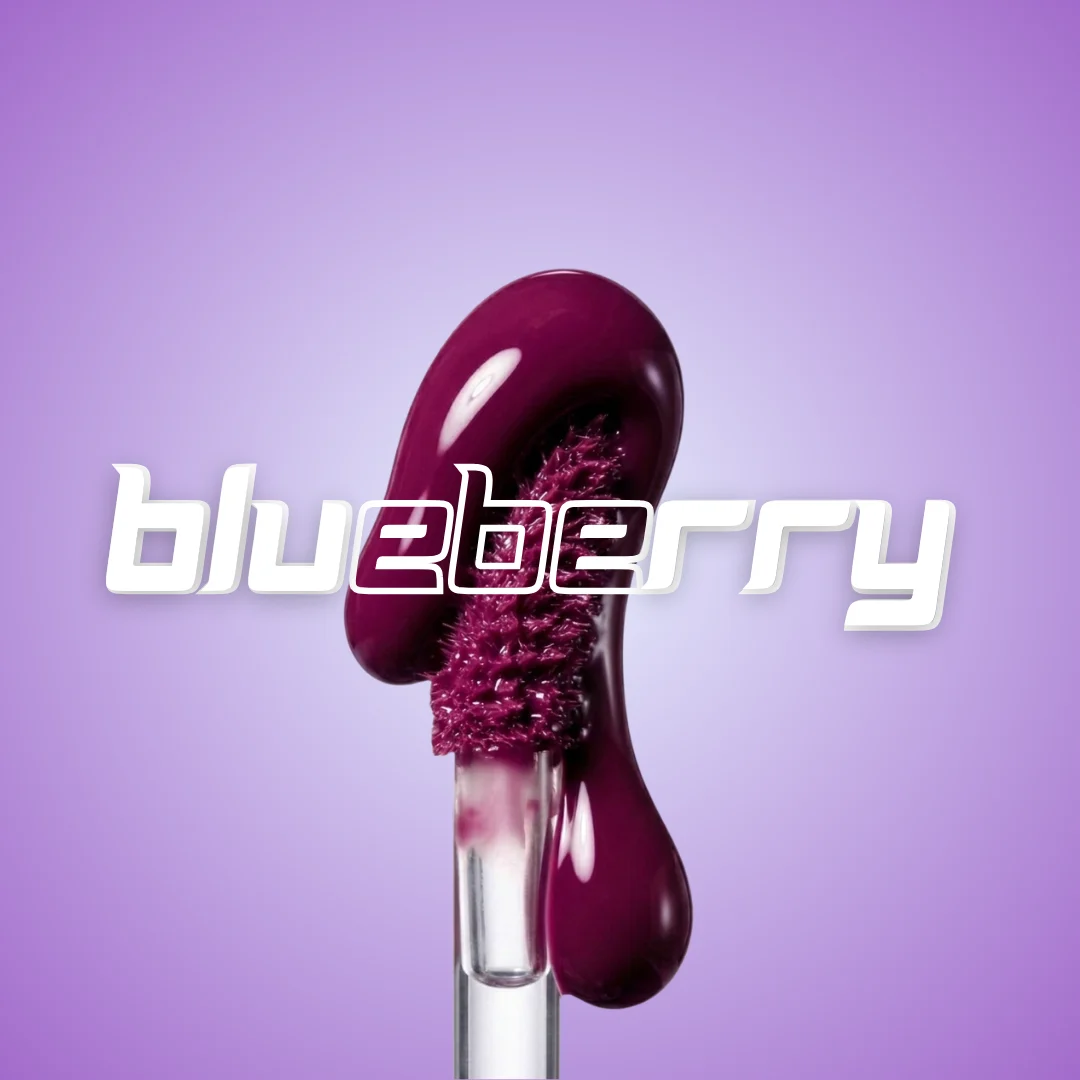
Products like Kuri Blueberry Lip Oil blend vitamin C with almond oil to fade discoloration while nourishing lips. For bold color correction, try Kuri Cherry Lip Oil for its hydrating, tinted finish.
Clinical Evidence Behind Natural Lip Balm Claims
Research supports the efficacy of 2026’s clean ingredients:
- A 2025 study found vitamin C reduced lip pigmentation in 82% of participants after 8 weeks.
- Licorice root extract inhibits tyrosinase, a key enzyme in melanin production.
- Jojoba oil’s similarity to natural skin oils makes it ideal for sensitive, pigmented lips.
Explore clinical insights on natural pigmentation care and how to maximize results.
Disclaimer: This article is for informational purposes only. Always consult a healthcare professional before starting new treatments.