
2026 Lip Care: Best Natural Lip Moisturizers with SPF
Discover 2026’s top natural lip moisturizers with SPF. Protect dry, sensitive lips with UV-resistant formulas infused with shea butter and hyaluronic acid fo...
2026 Lip Care: Best Natural Lip Moisturizers with SPF for Dry, Sensitive Lips
This article is for informational purposes only. Always consult a healthcare professional.
In 2026, lip care has evolved beyond basic hydration. Modern lip moisturizers now combine sun protection, natural ingredients, and skin-friendly hydration to address dryness, pigmentation, and UV damage. With extreme winter climates and rising awareness of UV exposure, multi-functional formulas are becoming essential for healthy, protected lips.
Why 2026’s Lip Moisturizers Combine SPF and Natural Ingredients
Traditional lip balms often fail to address both hydration and UV protection. 2026’s innovations prioritize:
- Mineral-based SPF: Non-nano zinc oxide or titanium dioxide provide broad-spectrum protection without irritating sensitive lips.
- Natural emollients: Shea butter, avocado oil, and hyaluronic acid lock in moisture while repairing dryness.
- Antioxidant boosters: Ingredients like vitamin E and raspberry seed oil combat free radicals from sun exposure.
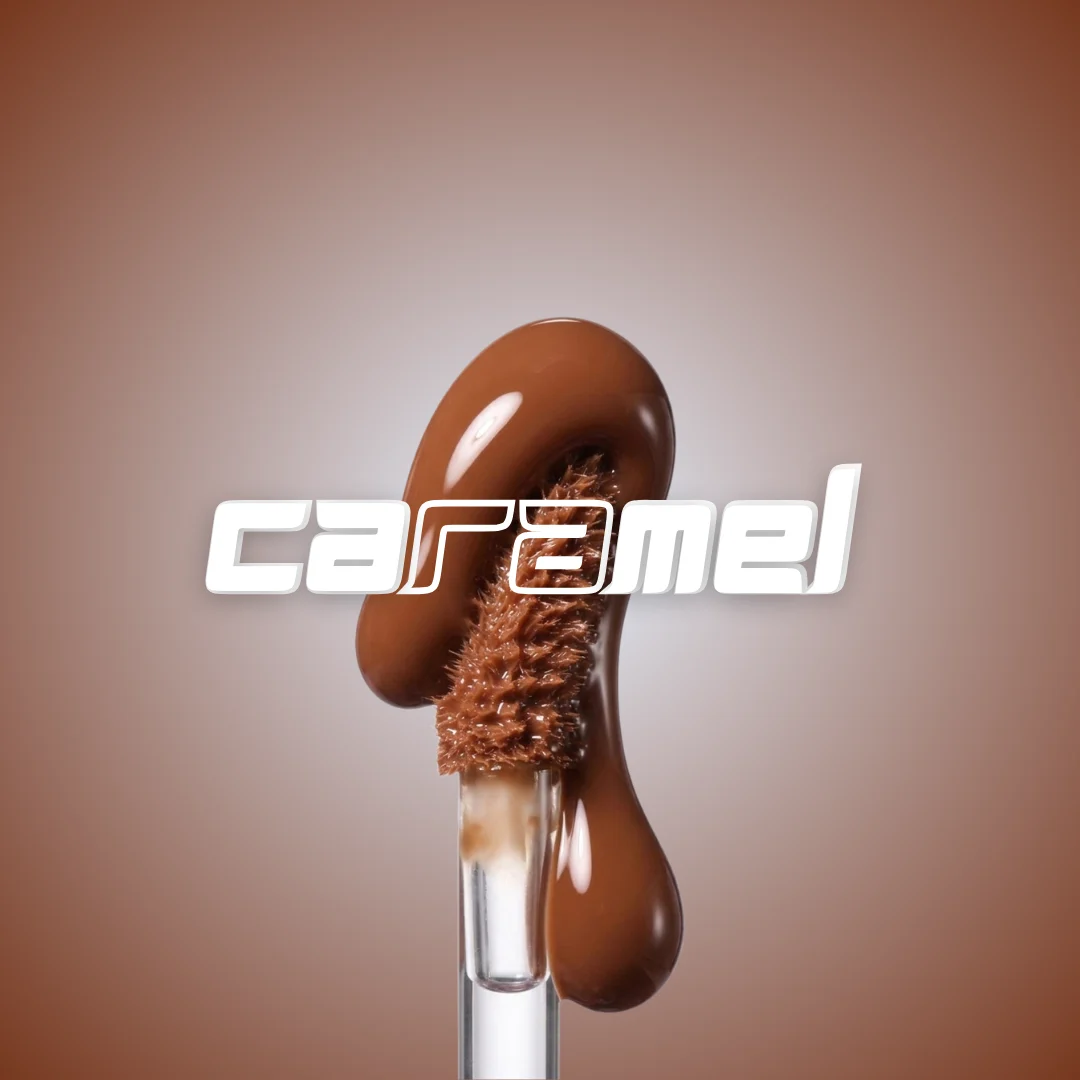
For example, KuriCares’ Caramel Lip Oil blends shea butter with SPF-friendly antioxidants, offering hydration and UV protection in one step.
How to Choose the Right Lip Moisturizer for Extreme 2026 Winters
Extreme cold accelerates lip dryness, making the right lip moisturizer critical. Look for these features:
- Thick, non-greasy texture: Avoid waxy formulas that melt in cold; opt for oils like jojoba or avocado for deep penetration.
- SPF 15 or higher: Prolonged outdoor exposure requires sun protection to prevent pigmentation and cracking.
- No synthetic fragrances: Fragrance-free formulas reduce risk of irritation in sensitive skin.
Products like KuriCares’ Cherry Lip Oil meet these criteria with vitamin E and coconut oil, ideal for winter hydration.
Do Natural Lip Moisturizers with SPF Work as Well as Drugstore Brands?
Yes, but with key differences:
- Effectiveness: Clinical studies show mineral-based SPF in natural balms provides equal UV protection to synthetic formulas.
- Hydration: Ingredients like hyaluronic acid in natural products often outperform petroleum-based moisturizers for long-term moisture retention.
- Safety: Natural balms avoid oxybenzone and other controversial chemicals linked to skin sensitivity.
For proof, explore 2026’s Best Lip Care Oils with SPF for scientific comparisons.
Best Way to Layer Lip Moisturizer with Colored Lip Balms
Layering requires a strategic order for optimal results:
- Prep: Exfoliate gently with a soft cloth to remove dead skin.
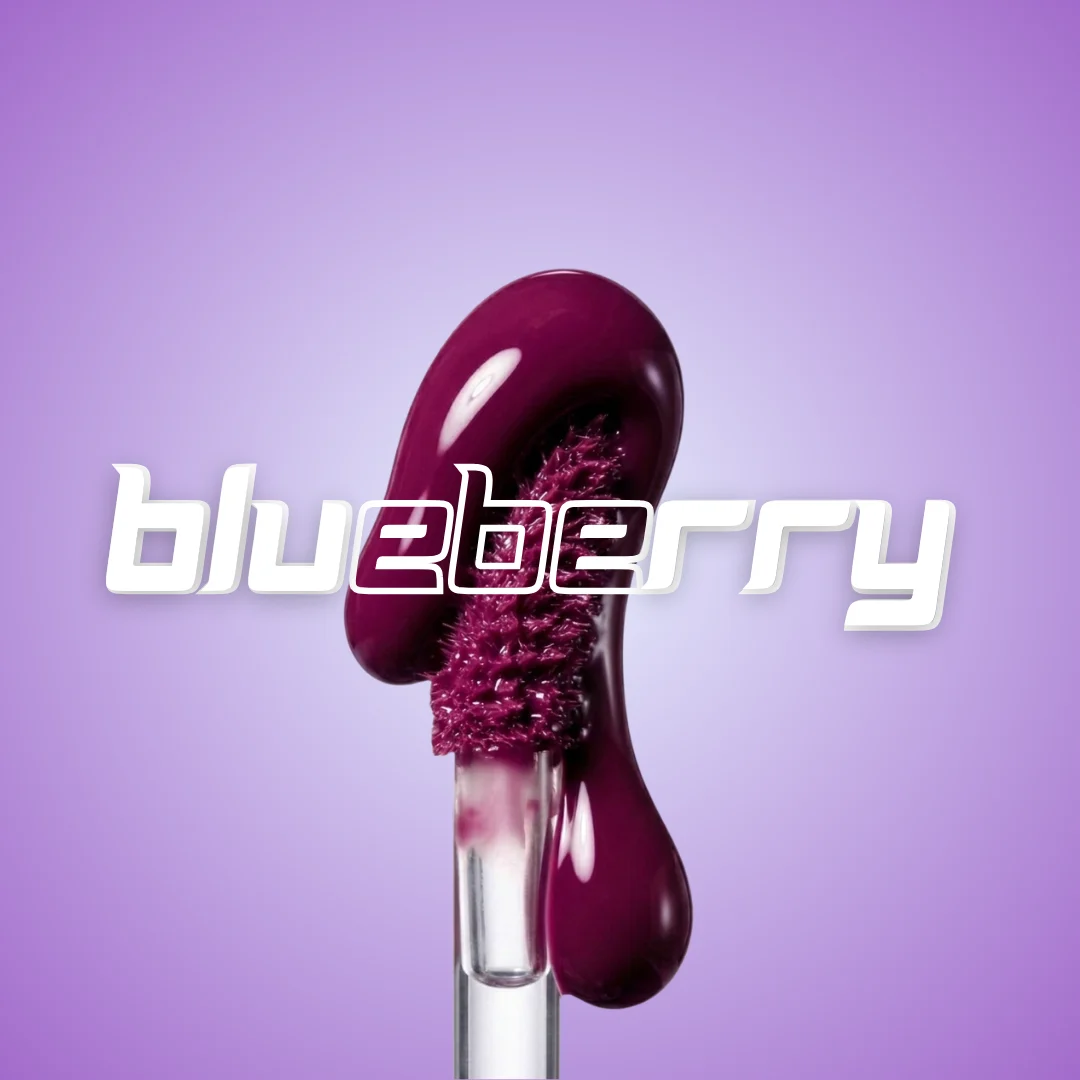
- Hydrate: Apply a lip moisturizer like KuriCares’ Blueberry Lip Oil for 30 seconds to plump and smooth.
- Color: Use a tinted balm on top for subtle pigmentation without patchiness.
- Protect: Reapply SPF-infused balm every 2 hours outdoors.
Can Hyaluronic Acid Lip Serums Replace Traditional Moisturizers?
Hyaluronic acid (HA) is a hydration powerhouse, but it works best as a supplement:
- Pros: Attracts water to dry lips, reducing flakiness instantly.
- Cons: Needs a heavier balm (like shea butter or oils) to lock in moisture.
Pair HA serums with a Vanilla Lip Oil for a 2026-style dual-action routine.
2026’s Top 3 Lip Moisturizer Trends to Watch
- Multi-tasking tints: Products like KuriCares’ Caramel Lip Oil add subtle color while hydrating.
- Climate-adaptive formulas: Oils with melting points suited to extreme temperatures.
- Edible-safe ingredients**: Peppermint oil and beeswax for caregivers worried about ingestion during sleep.
For more insights, read Hydrated Lips 2026 on multi-functional routines.