
2026 Lip Care Oil Trends: Hydration & Pigmentation Solutions
Discover 2026's top lip care oil trends that combine hydration and pigmentation correction. Natural oils like jojoba and rosehip offer multi-tasking solution...
2026 Lip Care Oil Trends: Hydration & Pigmentation Solutions
In 2026, lip care oils are revolutionizing how we address dryness and pigmentation. With a growing demand for multi-functional products, natural ingredients like jojoba, rosehip, and avocado oils are leading the charge—offering hydration, color correction, and UV protection in one step. Dermatologists and skincare enthusiasts alike are praising these formulas for their ability to repair chapped lips while fading uneven tone. Whether you’re targeting dark spots or daily dryness, modern lip care oils blend science and nature for a simplified, effective routine.
Can Lip Care Oil Fade Dark Lips Naturally in 2026?
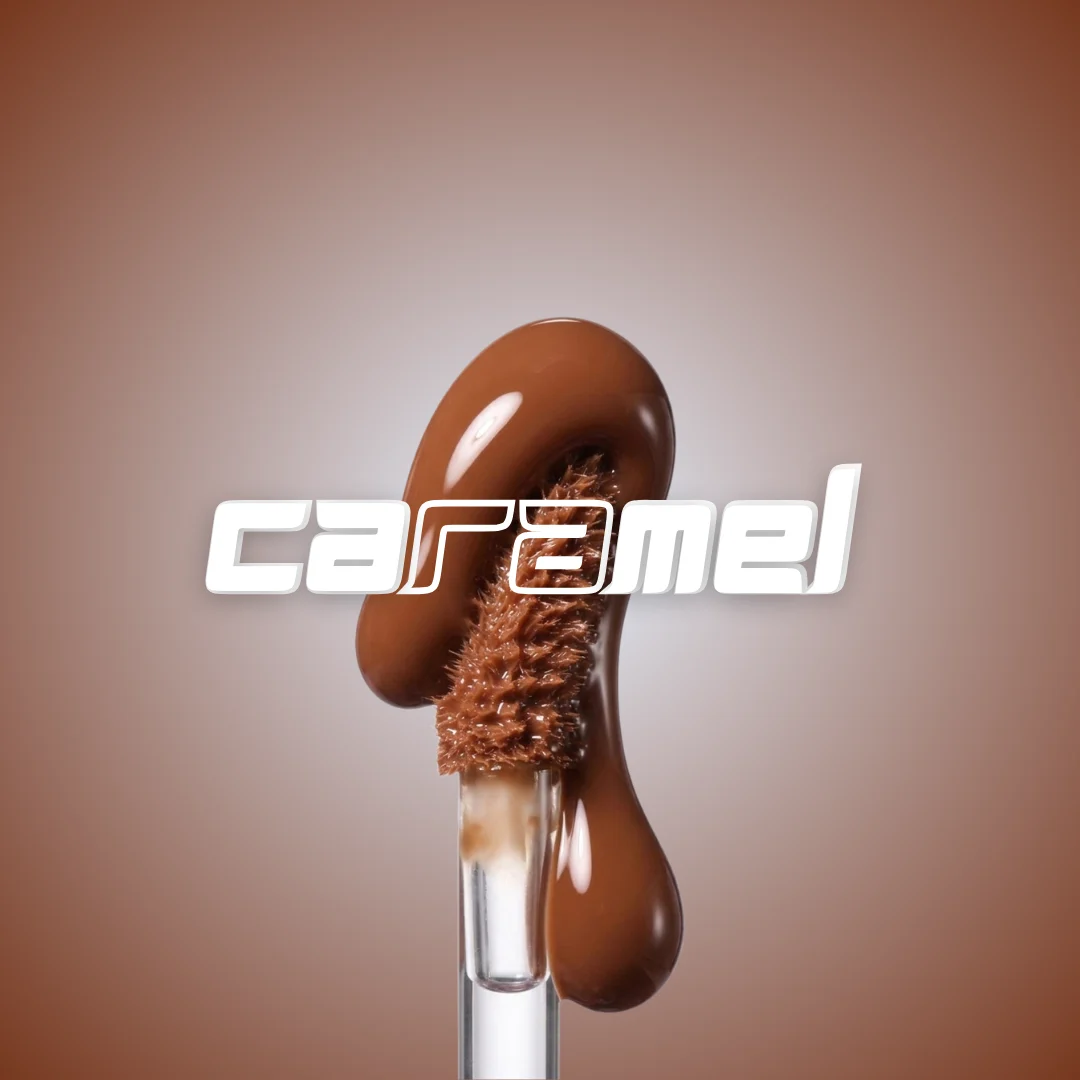
Yes, many 2026 lip care oils are formulated with natural pigmentation-correction properties. Ingredients like raspberry seed oil and vitamin E help brighten dark lips by reducing melanin buildup while moisturizing. For example, Kuri Caramel Lip Oil combines shea butter and avocado oil to hydrate and visibly fade discoloration. Consistent use—2-3 times daily—can yield results in 4-6 weeks. Pair with gentle exfoliation using a sugar scrub twice weekly for optimal penetration.
How to Use Lip Oil for Overnight Chapped Lip Repair?
- Cleanse lips with a warm, damp cloth to remove residue.
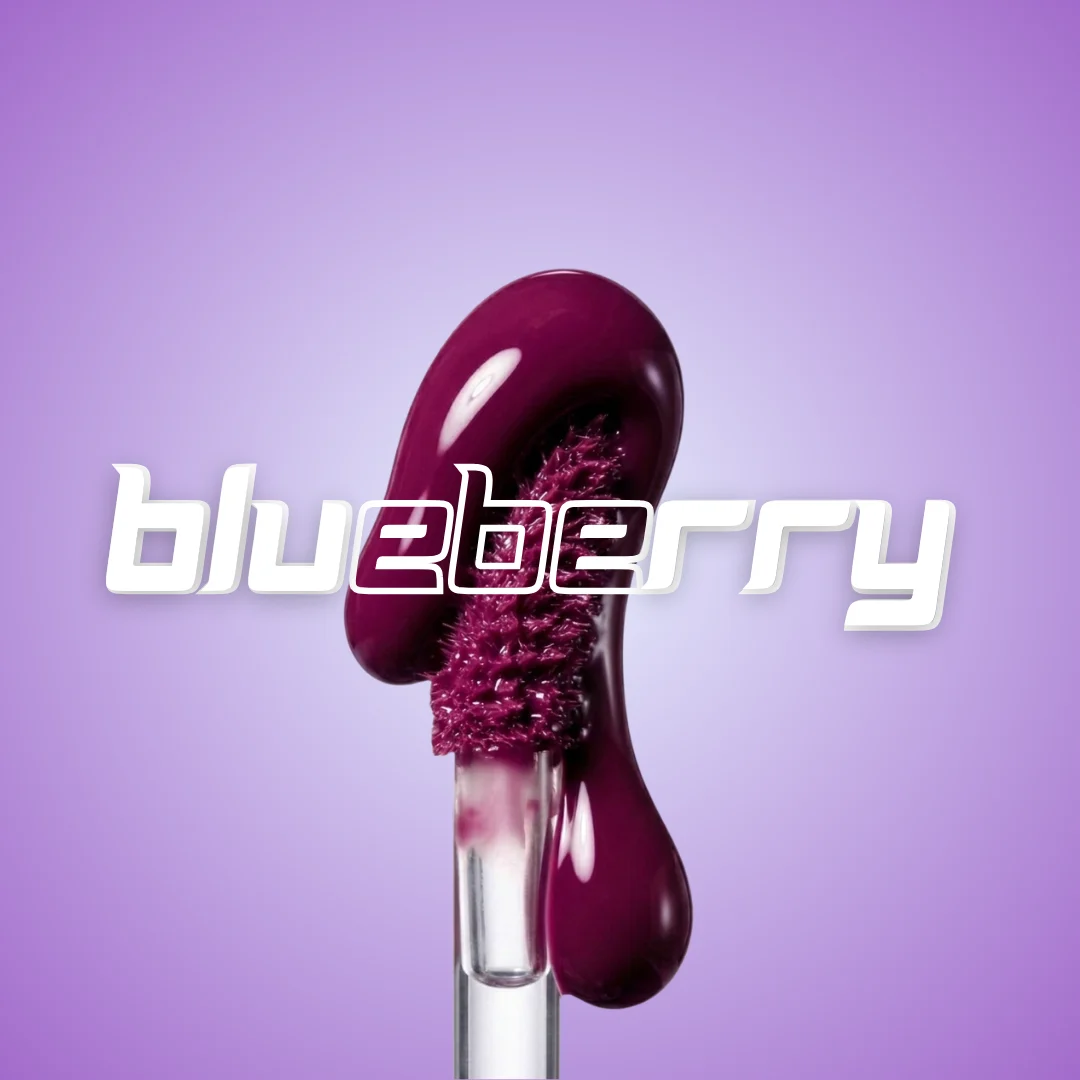
- Apply 2-3 drops of Kuri Blueberry Lip Oil before bed.
- Reapply if lips feel tight or dry during the night.
This routine leverages the oil’s deep hydration (from fractionated coconut oil and almond oil) to repair cracks and restore elasticity. For severe dryness, add a hydrating lip mask once weekly.
Are SPF-Infused Lip Oils Effective for Sun Protection?
Yes, but choose formulas with non-nano zinc oxide or titanium dioxide for broad-spectrum UV protection. SPF-infused lip oils like those with raspberry seed oil (SPF 30) or carrot seed oil (SPF 40) are trending in 2026. Unlike traditional balms, these oils blend antioxidants with sunscreens to prevent photoaging. Reapply every 2 hours when outdoors, and avoid products with synthetic fragrances that may irritate sensitive lips.
What Ingredients to Avoid in Lip Oils for Sensitive Skin?
- Synthetic fragrances (may cause irritation)
- Artificial dyes (can trigger allergic reactions)
- Parabens (linked to endocrine disruption)
- Menthol or camphor (cause temporary numbness and dryness)
Opt for hypoallergenic oils labeled "for sensitive skin," and patch-test new products before full application.
How Do Lip Care Oils Compare to Traditional Balm for Long-Term Use?
Lip care oils outperform traditional balms for long-term health due to their:
- Lightweight texture (non-greasy, absorbs quickly)
- Natural anti-inflammatory compounds (soothe chapping)
- No comedogenic risk (won't clog pores)
While balms offer instant moisture, oils address root causes like lipid depletion and oxidative stress. For a balanced routine, use Kuri Cherry Lip Oil in the morning and a petroleum-based balm at night for extreme dryness.
This article is for informational purposes only. Always consult a healthcare professional.
Need More Guidance?
Explore our 2026 Natural Lip Care Oils Guide for in-depth ingredient analysis or check out our Soft Lips Routine for daily steps.