
2026 Lip Lightening Trends: Natural Products & Safe Ingredients
Discover 2026's top natural lip lightening products with safe ingredients like vitamin C and niacinamide. Explore DIY options and non-toxic treatments for ev...
Why Natural Lip Lightening Products Are Trending in 2026
In 2026, consumers are turning to natural lip lightening products to address uneven pigmentation without harsh chemicals. Ingredients like vitamin C, licorice root extract, and niacinamide are dominating the market for their antioxidant and skin-brightening properties. Unlike traditional bleaching agents, these formulas prioritize hydration and skin health while gently evening out lip color.
This shift aligns with broader clean beauty movements, where users seek transparency and safety. Social media trends also highlight DIY approaches—like honey and turmeric mixtures—for at-home treatments. However, results vary, and consistency is key when addressing pigmentation concerns.
Do Natural Ingredients Effectively Lighten Lips?
Yes, but with realistic expectations. Natural ingredients like:
- Vitamin C serums: May reduce melanin production over time
- Licorice root extract: Known for its depigmenting properties
- Niacinamide: Helps fade dark spots and even skin tone
Studies suggest these compounds work best when paired with consistent hydration. Pairing with products like Kuri Cherry Lip Oil can maintain moisture while supporting even color. This oil blends coconut oil and vitamin E to nourish lips while its natural pigments help mask unevenness temporarily.
Safe DIY Lip Lightening Options for 2026
2026 DIY trends emphasize simplicity and skin compatibility. Popular methods include:
- Lemon-honey mask: Mix 1 teaspoon lemon juice with 1 teaspoon honey. Apply for 10 minutes before rinsing to brighten lips (use sparingly to avoid irritation).
- Almond oil + turmeric: Blend 2 drops of almond oil with a pinch of turmeric for a gentle exfoliating paste.
- Coconut oil overnight treatment: Apply pure coconut oil before bed to hydrate and support natural fading of dark spots.
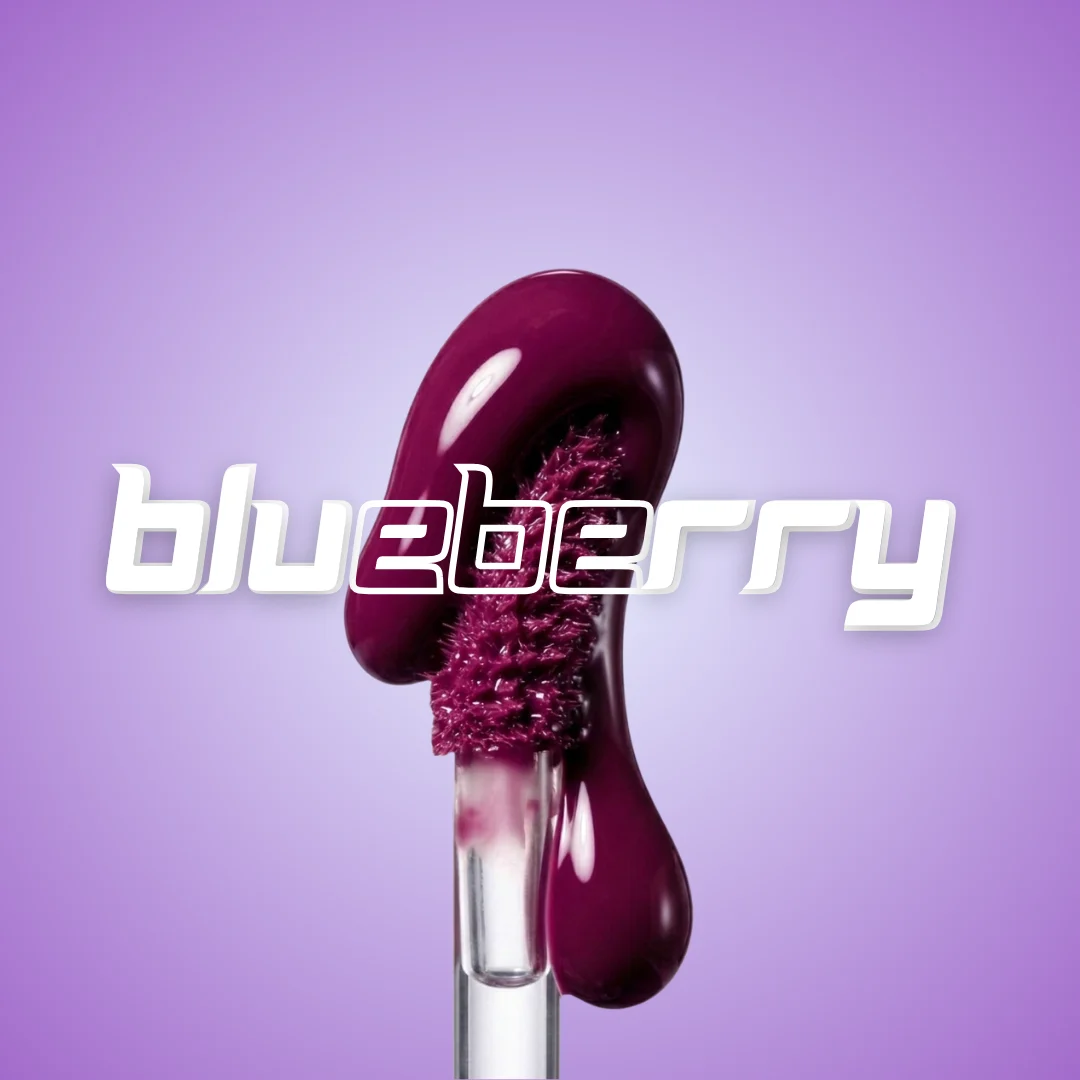
For best results, follow up with Kuri Blueberry Lip Oil to lock in moisture and maintain a supple, even texture. Always patch-test DIY treatments before full application.
How to Choose Non-Toxic Lip Lightening Products
Look for these 2026 standards when evaluating products:
- Clean certifications: Check for USDA Organic or EWG Verified labels
- No harsh chemicals: Avoid hydroquinone, mercury, and artificial dyes
- Hydrating base: Prioritize oils or balms that repair lip barriers
For a curated routine, consider hydrating lip oils like KuriCares' offerings. Their Vanilla Lip Oil uses jojoba and vitamin E to support lip health while delivering subtle hydration.
Common Causes of Uneven Lip Pigmentation in 2026
Modern lifestyles contribute to lip discoloration. Key factors include:
- Post-inflammatory hyperpigmentation from lip cuts or chapping
- Excessive sun exposure without SPF protection
- Chronic lip-licking or using abrasive scrubs
- Smoking or frequent lip product use
Addressing these root causes—like using SPF-infused tinted lip oils—can prevent future pigmentation while brightening existing dark spots.
Can Lip Lightening Products Cause Irritation?
While natural products reduce chemical risks, some ingredients may still irritate sensitive skin. Watch for:
- Stinging or redness within 24 hours
- Cracking or flaking beyond normal dryness
- Unusual changes in lip color
Discontinue use if irritation occurs. For overnight recovery, try hyaluronic acid-based treatments to repair the lip barrier. Always consult a dermatologist for persistent concerns.
This article is for informational purposes only. Always consult a healthcare professional.