
2026 Lip Oil Guide: Hydrate & Correct Pigmentation
Discover 2026’s top lip oils that hydrate and correct pigmentation. Learn how hyaluronic acid, vitamin E, and natural pigments transform dry, discolored lips.
2026 Lip Oil Guide: Hydrate & Correct Pigmentation
This article is for informational purposes only. Always consult a healthcare professional.
In 2026, lip oils are redefining lip care by combining intense hydration with pigmentation correction. Modern formulas use hyaluronic acid, vitamin E, and natural pigments to address dryness, chapping, and uneven tone—all in one step. If you’re curious how these innovations differ from traditional lip gloss or which ingredients to look for, read on to discover 2026’s must-have lip oils.
Which Lip Oil Ingredients Target Dryness & Dark Spots?
2026’s top lip oils prioritize multi-functional ingredients like:
- Hyaluronic Acid: Attracts moisture to plump lips and reduce flakiness.
- Vitamin E: Fights free radicals and prevents dryness while softening pigmentation.
- Natural Pigments: Even out tone without harsh chemicals (e.g., plant-based dyes).
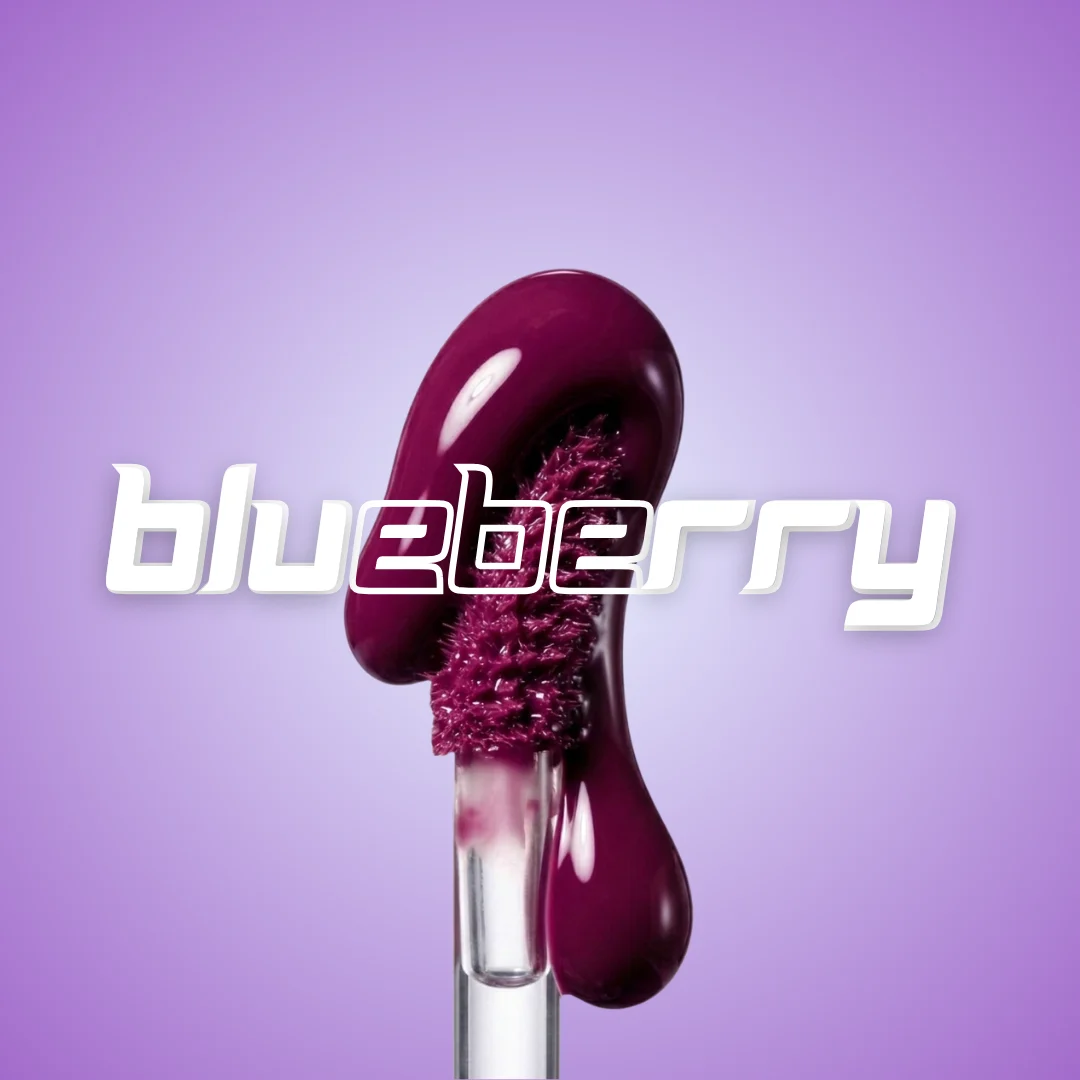
KuriCares’ Blueberry Lip Oil and Cherry Lip Oil are excellent examples, blending avocado oil, jojoba seed oil, and subtle tints to nourish and brighten lips.
How Do 2026 Lip Oils Differ from Traditional Lip Gloss?
While lip gloss often relies on waxy bases and synthetic fillers, 2026’s lip oils focus on:
- Oil-based hydration: Lightweight oils like coconut and almond penetrate deeply without greasiness.
- No sticky residue: Non-tacky finishes avoid smudging while locking in moisture.
- Multi-tasking benefits: Pigments correct tone, while antioxidants repair damage.
For sensitive lips, Kuri Vanilla Lip Oil offers non-pigmented hydration with jojoba and sweet almond oil.
Are Natural Pigments in Lip Oils Effective for Even Tone?
Yes, when formulated correctly. 2026’s lip oils use natural pigments like beetroot extract, turmeric, and black tea to gently even tone without irritation. For example:
- Kuri Blueberry Lip Oil: A magenta tint derived from blueberry extract fades dark patches.
- Kuri Caramel Lip Oil: Purple pigments from raspberry seed oil correct uneven tone.
Always patch-test new products, especially if you have sensitive skin.
How Often Should You Apply Lip Oil for Best Results?
For optimal hydration and pigmentation correction:
- Apply 2-3 times daily, especially after meals or lip scrubbing.
- Reapply before bed for overnight repair.
- Use in place of lip balm during the day for a glossy, hydrated finish.
Pair with a gentle lip scrub weekly to remove dead skin and boost product absorption.
Can Sensitive Lips Use Hydrating Lip Oils with Pigments?
Yes, but choose products with minimal synthetic additives. KuriCares’ lip oils are formulated without fragrances or alcohol, making them ideal for sensitive skin. Look for:
- Low-irritant pigments (e.g., mineral-based dyes).
- Non-comedogenic oils to avoid clogged pores.
- No SPF additives if you’re prone to allergic reactions.
For sensitive users, start with Vanilla Lip Oil, which is non-pigmented and free of potential irritants.
Conclusion
2026’s lip oils are a game-changer for anyone seeking soft, even-toned lips. By combining hydration, pigmentation correction, and nourishing oils, these formulas simplify your routine while addressing multiple concerns. Explore KuriCares’ collection to find your perfect match.