
2026 Lip Pigmentation Causes: Environmental & Lifestyle Triggers Revealed
Discover 2026's top causes of lip pigmentation, including UV damage, diet, and unconscious habits. Learn holistic solutions for healthier lips.
Causes of Lip Pigmentation: 2026's Environmental & Lifestyle Insights
In 2026, researchers and wellness experts are increasingly linking lip pigmentation to environmental stressors and daily habits. From heightened UV exposure due to thinning ozone layers to unconscious lip-licking behaviors amplified by climate-related dry air, understanding these causes is key to maintaining healthy lips. This article explores the science behind modern lip pigmentation triggers and offers practical solutions.
Can Sun Damage Cause Permanent Lip Pigmentation?
Prolonged UV exposure remains a leading cause of lip pigmentation in 2026. The delicate lip skin contains melanocytes that overproduce pigment in response to UVB rays, leading to uneven darkening. While mild cases often fade within months, chronic exposure—especially without SPF protection—can cause permanent changes. Dermatologists now recommend tinted lip oils with SPF 30+ for daily protection against blue light and UV rays.
How Diet & Gut Health Influence Lip Color
2026 nutrition studies reveal surprising connections between processed food diets and lip discoloration. Diets low in vitamin B12, iron, and antioxidants correlate with pale or darkened lip areas. Emerging research suggests gut health impacts melanin production through the gut-skin axis, aligning with the year’s holistic wellness trends. Incorporating lip oils with natural pigments, like KuriCares' Cherry Lip Oil, may help balance uneven tone while delivering essential fatty acids.
Does Lip-Licking Really Darken Lips?
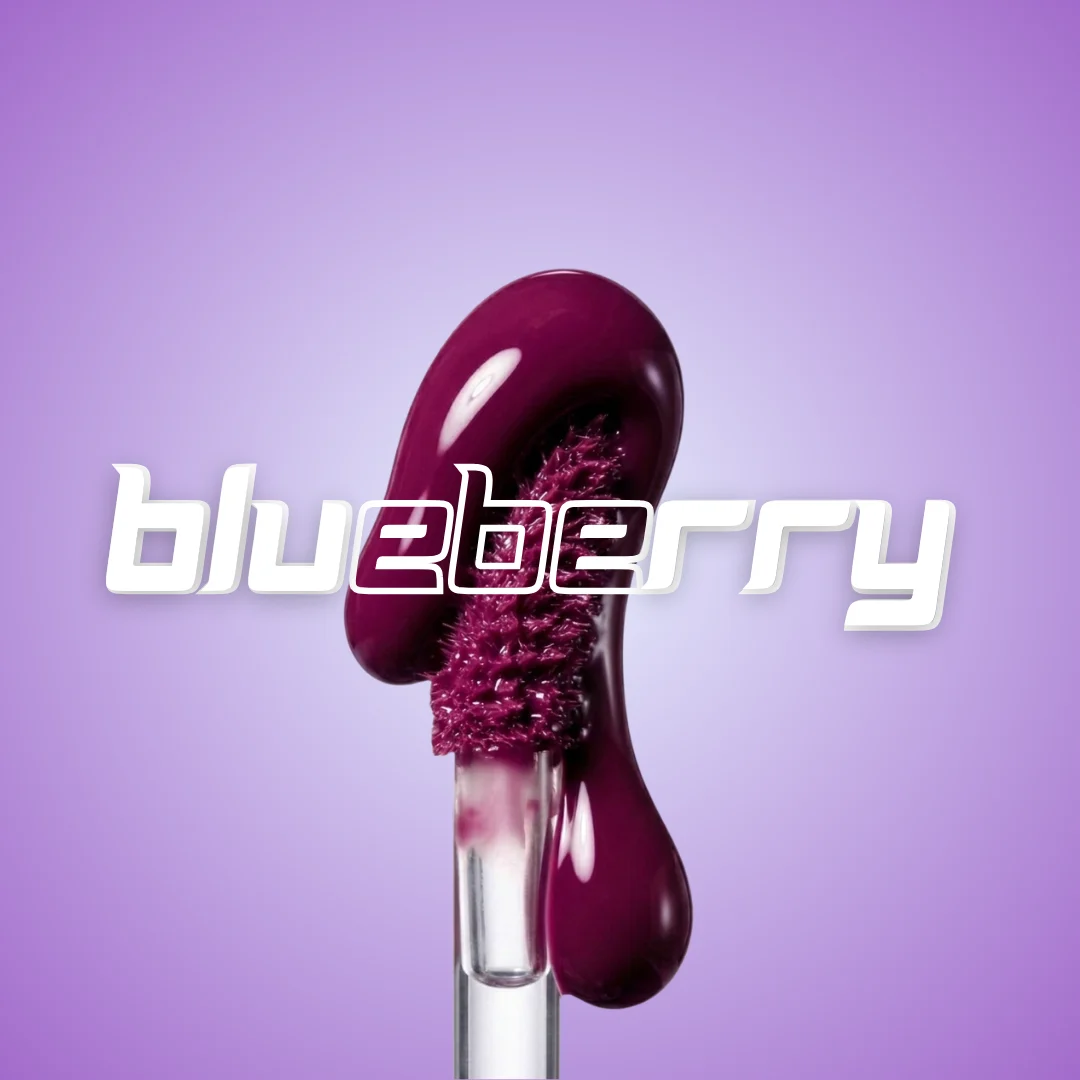
This unconscious habit, now termed "2026 micro-trauma syndrome" by dermatologists, causes persistent pigmentation through multiple mechanisms. Saliva’s enzymes strip natural oils, triggering overproduction of melanin. The constant moisture also softens lip skin, making it more vulnerable to UV-induced damage. Breaking this cycle requires targeted hydration—try Blueberry Lip Oil to restore moisture barriers and reduce the urge to lick lips.
Blue Light Exposure & Lip Health in 2026
With increased screen time, blue light from devices is now classified as a lip pigmentation factor. High-energy visible light penetrates lip tissue, generating free radicals that disrupt melanin production. Experts recommend tinted lip products with iron oxides to neutralize blue light wavelengths, a key feature of 2026’s advanced lip care formulas.
Creating a 2026 Lip Care Routine
- Apply SPF 30+ tinted lip oil before outdoor exposure
- Use hyaluronic acid-based overnight treatments for cellular repair
- Hydrate with non-sticky oils containing antioxidants like Caramel Lip Oil
- Avoid licking lips—opt for Vanilla Lip Oil for soothing hydration
This article is for informational purposes only. Always consult a healthcare professional. For more solutions, explore overnight pigmentation treatments or 2026's tinted lip oil innovations.