2026 Nourishing Lip Oils: Climate-Proof Solutions for Dry, Pigmented Lips
This article is for informational purposes only. Always consult a healthcare professional.
As climate challenges intensify, 2026’s clean beauty movement has redefined lip care with nourishing lip oils that adapt to environmental stress. These formulas blend climate-resilient botanicals—like prickly pear oil and algae extracts—with eco-conscious ethics to combat dryness, pigmentation, and urban pollution. Whether you’re navigating extreme weather or seeking long-term lip health, modern nourishing lip oils offer multifunctional solutions without compromising sustainability.
Climate-adaptive nourishing lip oils work by forming a breathable barrier while delivering active hydration. Ingredients like prickly pear oil (rich in omega fatty acids) and algae extracts (loaded with antioxidants) neutralize pollutants and lock in moisture. For example, Kuri Cherry Lip Oil combines coconut oil and jojoba seed oil to repair cracked lips while its natural pigments enhance lip color. This dual-action approach addresses immediate dryness and supports long-term lip resilience.
- Synthetic fragrances: Often derived from petrochemicals, these can irritate sensitive lips.
- Parabens and sulfates: Disrupt microbiome balance and may contribute to pigmentation irregularities.
- Mineral oil (non-ethical sources): Can clog pores and hinder natural lip function.
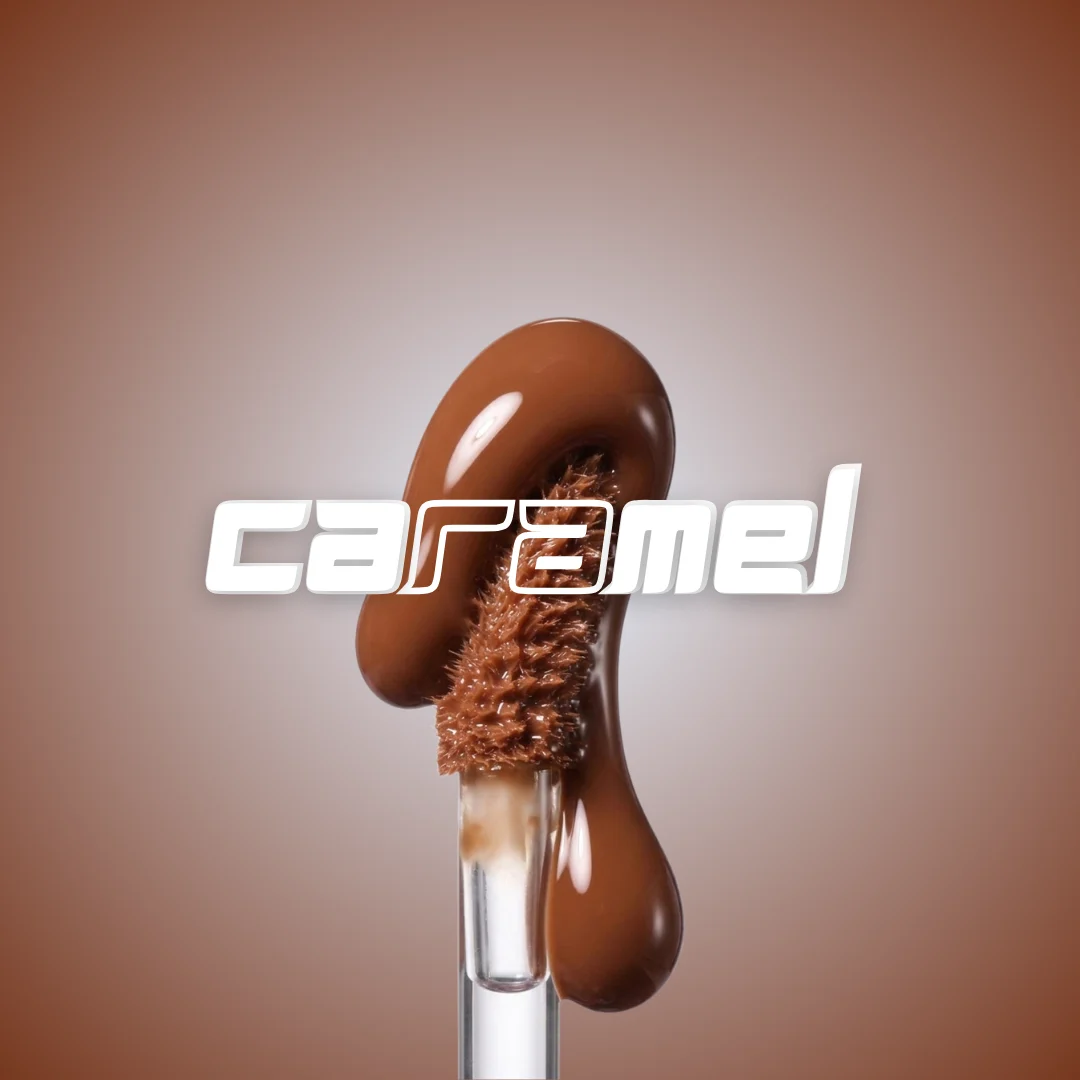
Opt for clean alternatives like shea butter, avocado oil, and non-nano zinc oxide found in Kuri Caramel Lip Oil.
In 2026, many consumers are replacing traditional balms with nourishing lip oils due to their multi-tasking benefits. Unlike waxy balms, oils penetrate deeper to hydrate without residue. For instance, Kuri Bubble Gum Lip Oil provides lightweight hydration, a subtle tint, and antioxidant protection in one step. However, those with severely cracked lips may still benefit from pairing oils with occasional balm use for extra barrier support.
- Apply 1-2 drops of nourishing lip oil as a base to hydrate and plump lips.
- Wait 30 seconds for absorption before applying pigmented lipsticks or stains.
- Use a clear gloss over oil-treated lips for a natural, dewy finish.
For a polished look, try Kuri Blueberry Lip Oil to even out lip tone before applying bold shades. Its mineral oil base ensures smooth application without smudging.
While nourishing lip oils with vitamin E and natural pigments can improve uneven tone over time, they are not a standalone solution for deep pigmentation. For best results, pair oils with sun protection (SPF 30+ lip balms) and consult dermatologists for persistent discoloration. Our guide to hydrating lip oils explores advanced strategies for pigmentation correction.
2026’s nourishing lip oils represent a shift toward climate-conscious care that meets modern lip health challenges. By integrating these adaptive formulas into your routine, you protect against environmental damage while nurturing natural lip radiance. For personalized recommendations, explore our multi-tasking lip care guide and discover products tailored to your needs.