
2026’s Glossy Lips Trend: Hydrating Gloss for Healthy, Shiny Pouts
Discover 2026’s glossy lips trend with hydrating gloss formulas that heal and shine. Achieve healthy, lustrous pouts with KuriCares’ expert tips and products.
How to Achieve Glossy Lips Without Dryness
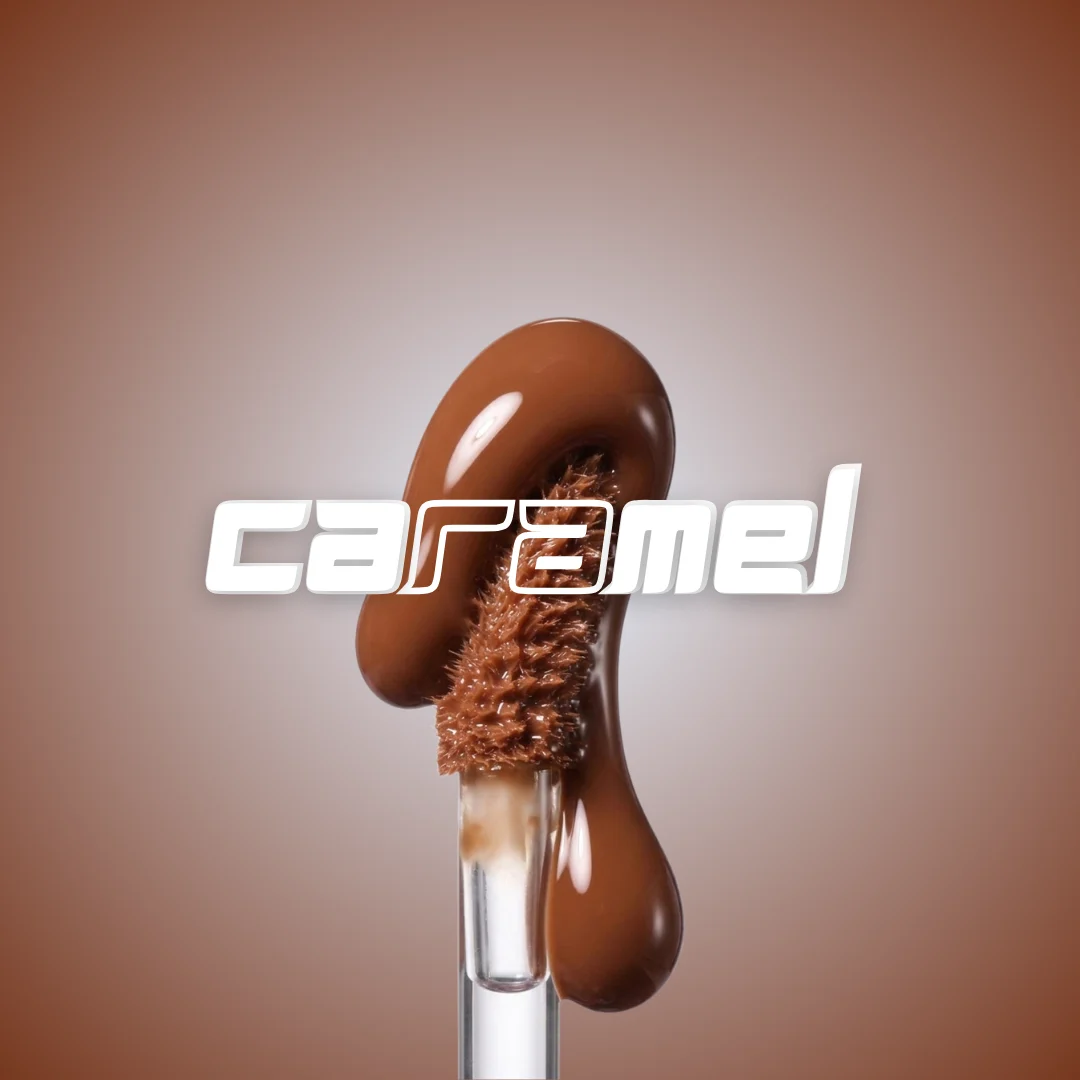
Hydrating gloss formulas in 2026 prioritize moisture retention. Look for ingredients like hyaluronic acid, shea butter, and natural oils to plump and smooth lips while adding shine. Apply a hydrating lip oil like Kuri Caramel Lip Oil before gloss for a long-lasting, non-sticky finish.
Glossy Lip Products for Sensitive Skin
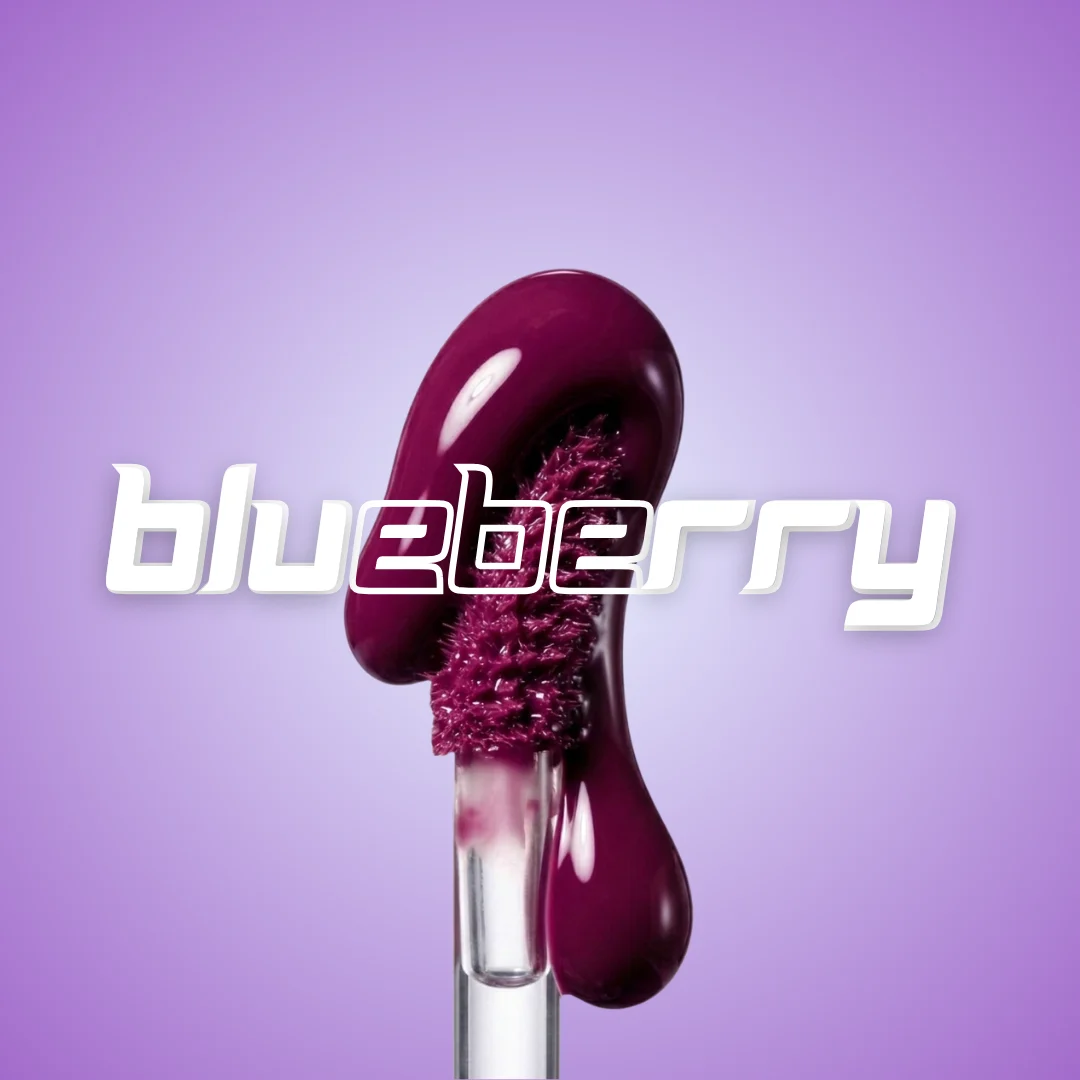
Sensitive lips need gentle formulas free of irritants. KuriCares’ Blueberry Lip Oil uses fractionated coconut oil and almond oil to soothe while delivering a subtle sheen. Always patch-test new products and avoid fragranced formulas for sensitive skin.
Can Glossy Lip Gloss Fix Chapped Lips?
Yes, but choose products that heal as they shine. Ingredients like vitamin E and jojoba oil in Cherry Lip Oil repair dryness while adding a glossy tint. Reapply every 2-3 hours for continuous hydration and a plump, smooth texture.
How to Make Glossy Lip Shine Last All Day
- Exfoliate with a soft cloth to remove dead skin.
- Layer a hydrating lip balm first.
- Apply gloss in a "T" shape for even coverage.
- Set with a light dusting of translucent powder.
For a non-sticky finish, try Kuri Vanilla Lip Oil’s clear formula with jojoba and sweet almond oil.
DIY Ingredients for Healthy Glossy Lips
- Olive oil: Adds shine and softness
- Beeswax: Creates a protective glossy barrier
- Castor oil: Deeply moisturizes
Mix 1 tsp olive oil with ½ tsp beeswax for a homemade gloss. For a tint, add a drop of natural food coloring.
This article is for informational purposes only. Always consult a healthcare professional.
Explore 2026’s glossy lips trend to learn how tinted lip oils address dryness and pigmentation while delivering radiant shine.
KuriCares Picks