
Lip Pigmentation Causes in 2026: Key Triggers & Solutions
Explore 2026's top causes of lip pigmentation, from UV exposure to diet. Learn how pollution, SPF, and lifestyle choices impact lips.
Lip Pigmentation Causes in 2026: Key Triggers & Solutions
By 2026, environmental and lifestyle factors have become central to understanding lip pigmentation. Pollution, UV exposure, and dietary imbalances are increasingly linked to uneven lip color, while social media has amplified awareness of SPF protection and gut health’s role in lip health. This guide breaks down the science behind common causes of lip pigmentation and offers actionable solutions for healthier, more even-toned lips.
How UV Exposure Affects Lip Pigmentation
Ultraviolet radiation remains a leading cause of lip pigmentation in 2026. The lips lack the protective melanin found in skin, making them more susceptible to sun damage. Prolonged UV exposure triggers melanin overproduction, leading to dark spots or a uniformly darker lip tone. The 2026 trend of SPF-infused lip balms stems from this understanding—products with UV protection help prevent long-term pigment irregularities.
Solution: Use lip balms with SPF 30+ daily, even indoors. KuriCares recommends the Kuri Cherry Lip Oil, which combines SPF protection with antioxidant-rich oils to shield lips from environmental stressors.
Environmental Pollution and Lip Discoloration
Airborne pollutants like particulate matter and heavy metals have been linked to lip pigmentation in urban areas. These toxins generate free radicals that damage lip tissue and disrupt melanin regulation. Studies in 2026 highlight a correlation between high-pollution zones and increased cases of dark, uneven lips.
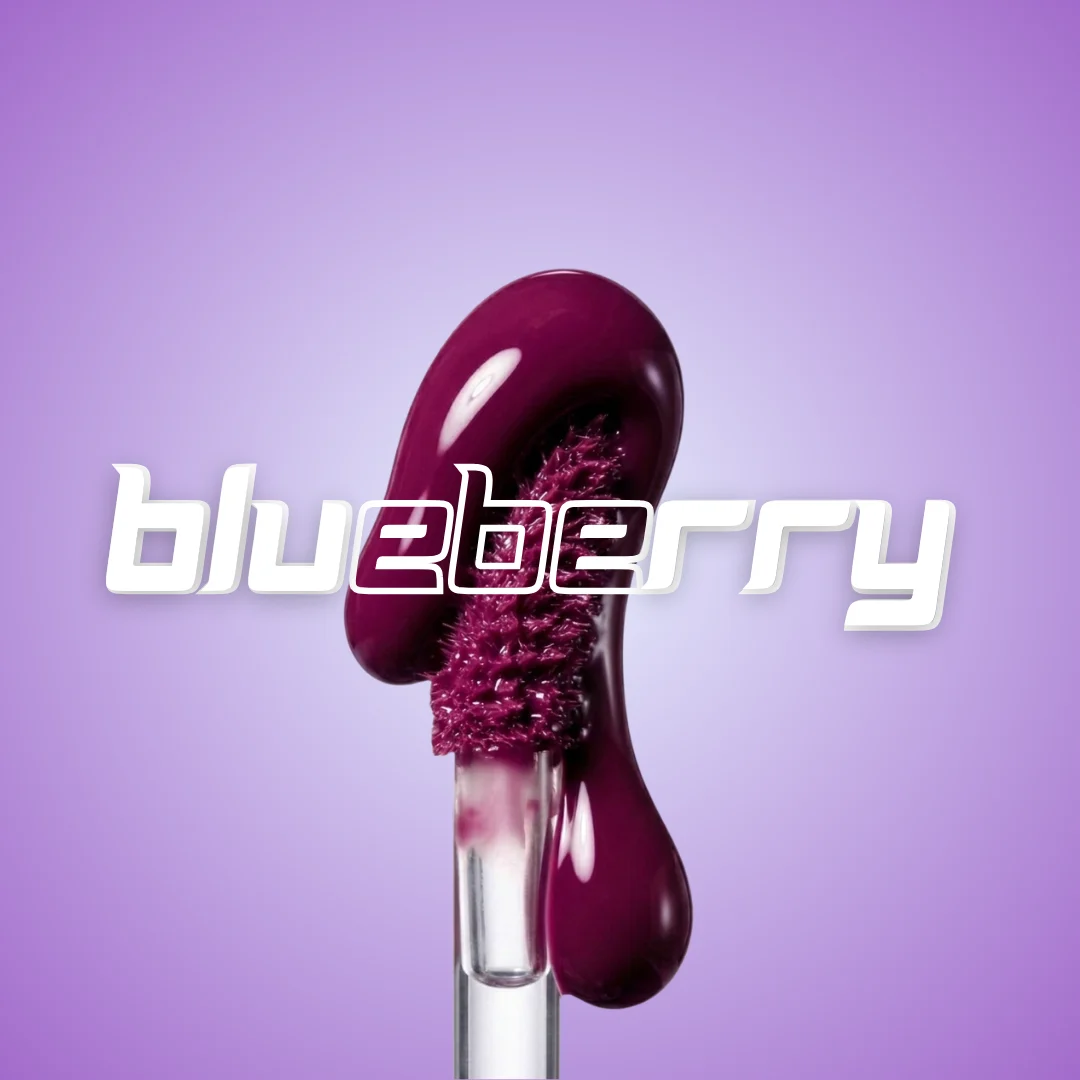
Solution: Incorporate antioxidant-rich lip oils to combat oxidative stress. The Kuri Blueberry Lip Oil contains fractionated coconut oil and natural pigments to neutralize pollutants while restoring moisture.
Diet and Gut Health’s Role in Lip Color
Emerging 2026 research connects vitamin deficiencies (B12, C, and E) to lip pigmentation. Poor gut health can impair nutrient absorption, leading to a dull or darkened lip tone. Additionally, excessive consumption of acidic or tannin-rich foods (like coffee and tea) may stain lips over time.
Solution: Prioritize a diet rich in leafy greens, berries, and citrus fruits. For topical support, try the Kuri Caramel Lip Oil, which delivers Vitamin E to nourish and brighten lips.
Smoking and Lip Pigmentation in 2026
Smoking remains a stubborn cause of lip discoloration. The chemicals in tobacco smoke constrict blood vessels, reduce oxygen flow, and promote melanin clumping. Nicotine stains can also leave a yellowish tint on lips. Quitting remains the most effective solution, but 2026’s lip care innovations offer additional support.
Solution: Use gentle exfoliants and hydrating oils to fade nicotine stains. Pair with the Kuri Vanilla Lip Oil for a non-sticky, antioxidant-rich treatment.
When to Consult a Dermatologist
Sudden or severe lip pigmentation may signal underlying health issues, such as hormonal imbalances or fungal infections. If home remedies fail or discoloration spreads beyond the lips, consult a dermatologist. In 2026, experts recommend patch testing for allergic reactions and biopsies for atypical pigmentation patterns.
Disclaimer: This article is for informational purposes only. Always consult a healthcare professional.
Environmental and Lifestyle Solutions for 2026
- Apply SPF lip balm daily to prevent UV-induced pigmentation
- Use antioxidant-infused oils to combat pollution damage
- Maintain gut health with probiotics and a nutrient-rich diet
- Quit smoking or use stain-removing lip treatments
For more natural approaches to lip care, explore KuriCares’ guide to plant-based remedies or expert-approved ingredient combinations.