
Tinted Lip Oil with SPF: Protect & Color Your Lips
Discover how tinted lip oils with SPF protect and color lips. Learn about hydration, sun protection, and choosing the right shade for your natural lip tone.
Tinted Lip Oil with SPF: Protect & Color Your Lips
In today’s fast-paced world, multitasking beauty products are a game-changer. Tinted lip oils with SPF are leading this trend, offering hydration, subtle color, and sun protection in one step. Whether you’re combating dryness, uneven pigmentation, or need a quick touch-up, these formulas deliver versatile benefits. Let’s explore how to choose the right tinted lip oil and why this hybrid product is gaining popularity.
What Makes Tinted Lip Oils with SPF a Game-Changer for Lip Health?
The demand for tinted lip oil with SPF reflects a growing need for products that simplify routines while addressing multiple concerns. These oils typically blend nourishing oils like jojoba, avocado, or coconut with antioxidants and natural pigments. The addition of SPF (in some formulas) protects against UV damage, which is a major cause of premature lip aging and uneven pigmentation.
While not all tinted lip oils include SPF, the trend highlights the importance of sun protection for lips. If your formula lacks SPF, opt for one with UV-blocking ingredients like raspberry seed oil or antioxidants that help defend against environmental stressors.
How Do Tinted Lip Oils Combat Dryness and Uneven Pigmentation?
Dry, chapped lips often result from dehydration, harsh weather, or overuse of lip products. Tinted lip oil formulas combat this by delivering deep hydration through emollients like shea butter, almond oil, and vitamin E. These ingredients create a protective barrier, locking in moisture without greasiness.
- Hydration: Ingredients like coconut oil and jojoba oil mimic the skin’s natural oils, preventing flakiness.
- Color Correction: Natural pigments fade discoloration and even out tone for a radiant finish.
- Non-Sticky Finish: Lightweight textures ensure comfort for all-day wear.
For example, the Kuri Cherry Lip Oil uses vitamin E and natural pigments to deeply hydrate while adding a vibrant crimson hue. Its non-sticky finish makes it ideal for those seeking hydration and color without heaviness.
Choosing the Right Shade for Your Natural Lip Color
Matching a tinted lip oil to your natural lip tone can enhance your features without appearing artificial. Here’s how to find your perfect shade:
- Lighter Tones: Opt for soft pinks (like the Kuri Bubble Gum Lip Oil) for a subtle pop of color.
- Medium Tones: Choose warm corals or berries to complement natural pigmentation.
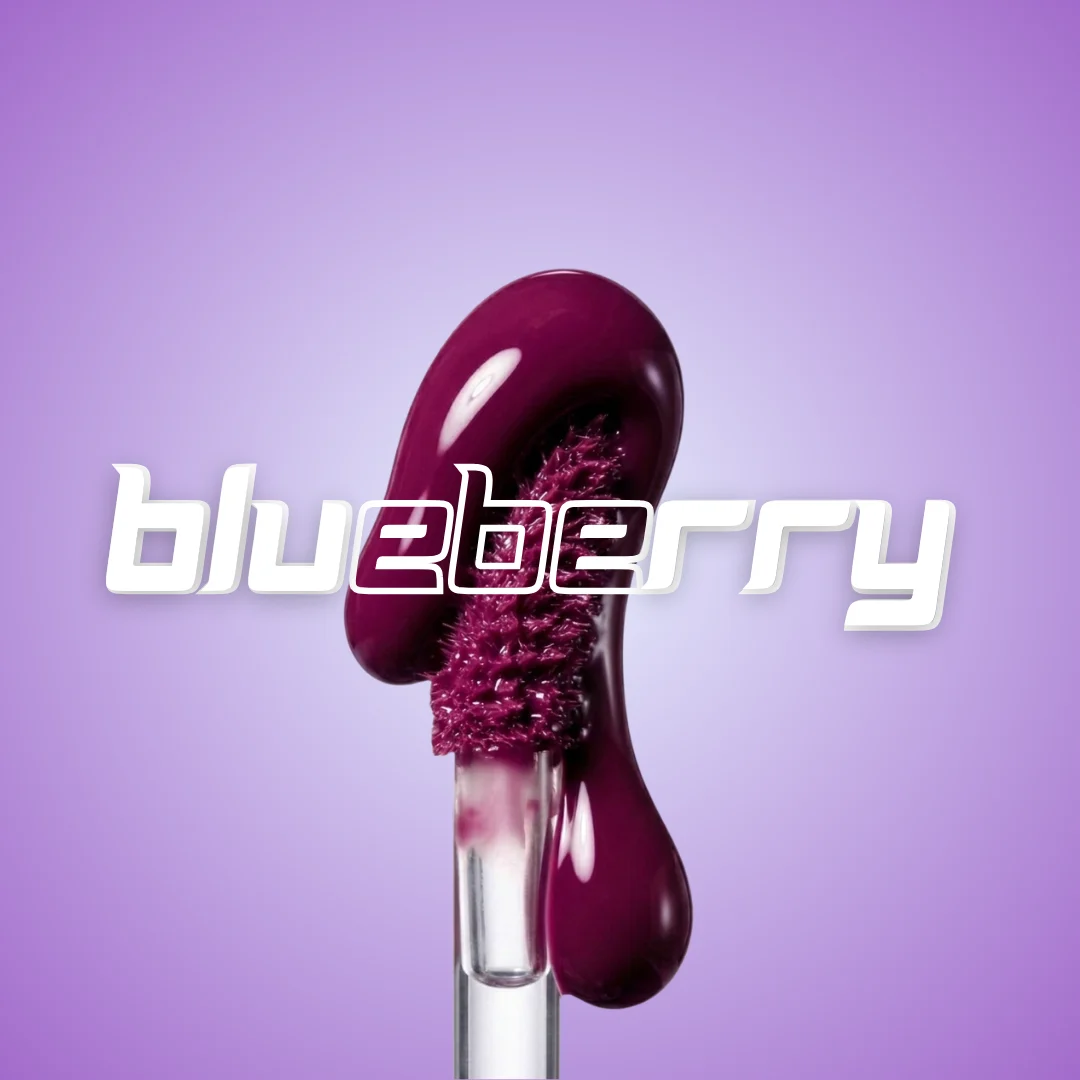
- Darker Tones: Rich plums or black hues (such as the Kuri Blueberry Lip Oil) add depth and contrast.
Test the oil on your wrist or lips in natural light to ensure the shade blends seamlessly with your skin tone.
Can Tinted Lip Oils Cause Staining or Irritation?
High-quality tinted lip oil formulas avoid harsh chemicals and synthetic dyes that may cause staining or sensitivity. Look for products with gentle ingredients like avocado oil, jojoba oil, and plant-based pigments. These are less likely to irritate sensitive lips or leave behind residue.
If you experience redness or discomfort, discontinue use and consult a dermatologist. The Kuri Caramel Lip Oil, for instance, uses shea butter and antioxidant-rich oils to nourish without staining, making it a safe option for delicate lip areas.
Why SPF in Tinted Lip Oil Matters for Long-Term Lip Health
Sun exposure can cause dryness, chapping, and even skin cancer on the lips. While many tinted lip oils now include SPF, always check the label for UV protection. If your formula lacks SPF, pair it with a dedicated lip balm containing zinc oxide or titanium dioxide for added defense.
For non-SPF tinted lip oils, prioritize formulations with antioxidant-rich oils like pomegranate or raspberry seed oil, which help neutralize free radicals caused by UV rays and pollution.
This article is for informational purposes only. Always consult a healthcare professional.