
Top 2026 Hydrating Lip Tints for Chapped Lips & Pigmentation
Discover 2026’s best hydrating lip tints that heal chapped lips and correct pigmentation. Compare formulas, application tips, and natural options for healthy...
Hydrating lip tints are revolutionizing lip care in 2026 by combining hydration with pigmentation correction. Whether you’re dealing with chapped lips or uneven color, these multi-functional formulas offer a solution that works. Below, we break down how to choose, apply, and use hydrating lip tints effectively.
How Hydrating Lip Tint Works for Dry Lips & Pigmentation
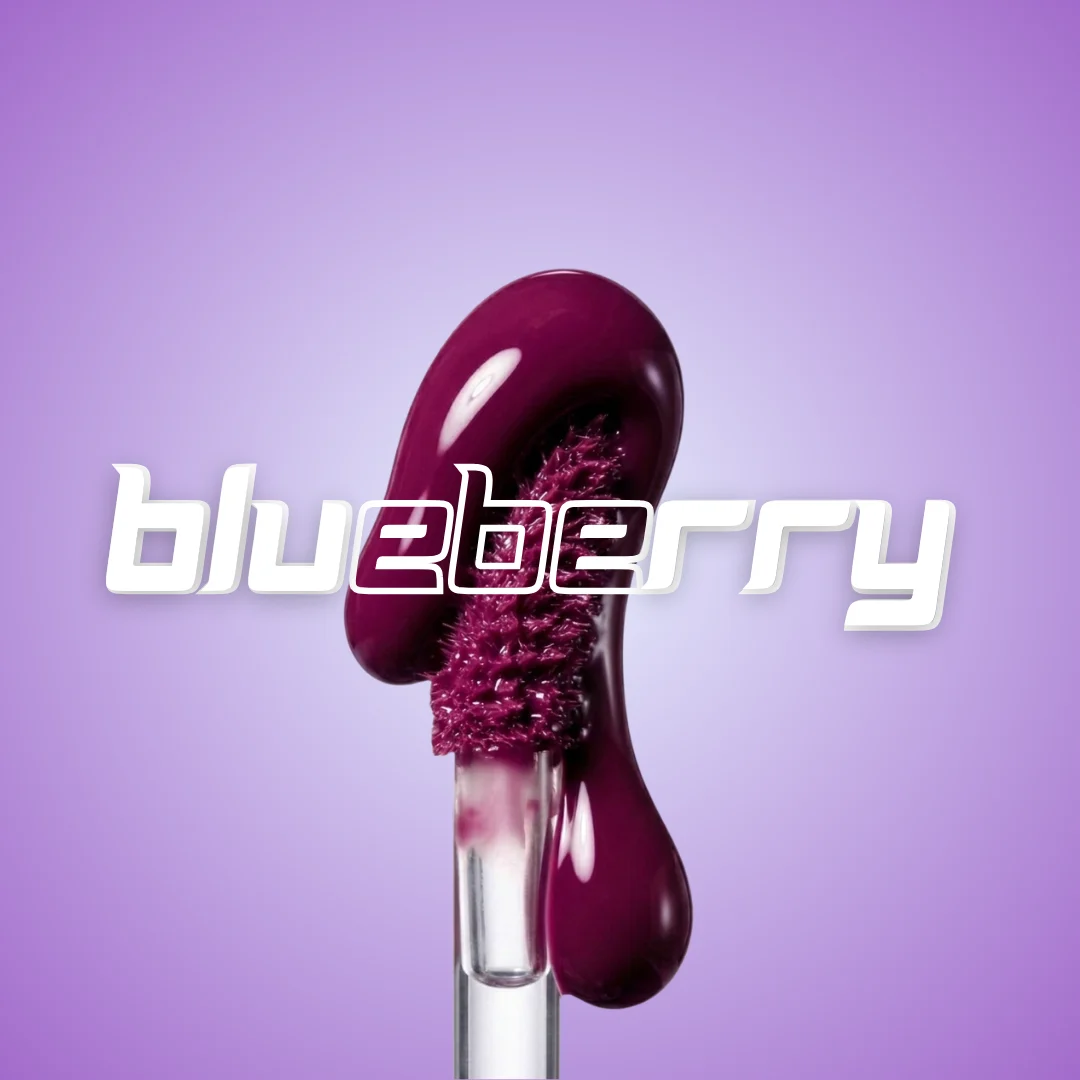
Hydrating lip tints use ingredients like hyaluronic acid, vitamin E, and natural oils to lock in moisture while addressing discoloration. Products like KuriCares’ Blueberry Lip Oil blend hydration with a subtle tint to smooth texture and fade dark spots over time. For severe dryness, look for non-sticky formulas with shea butter or avocado oil.
How to Choose the Best Hydrating Lip Tint
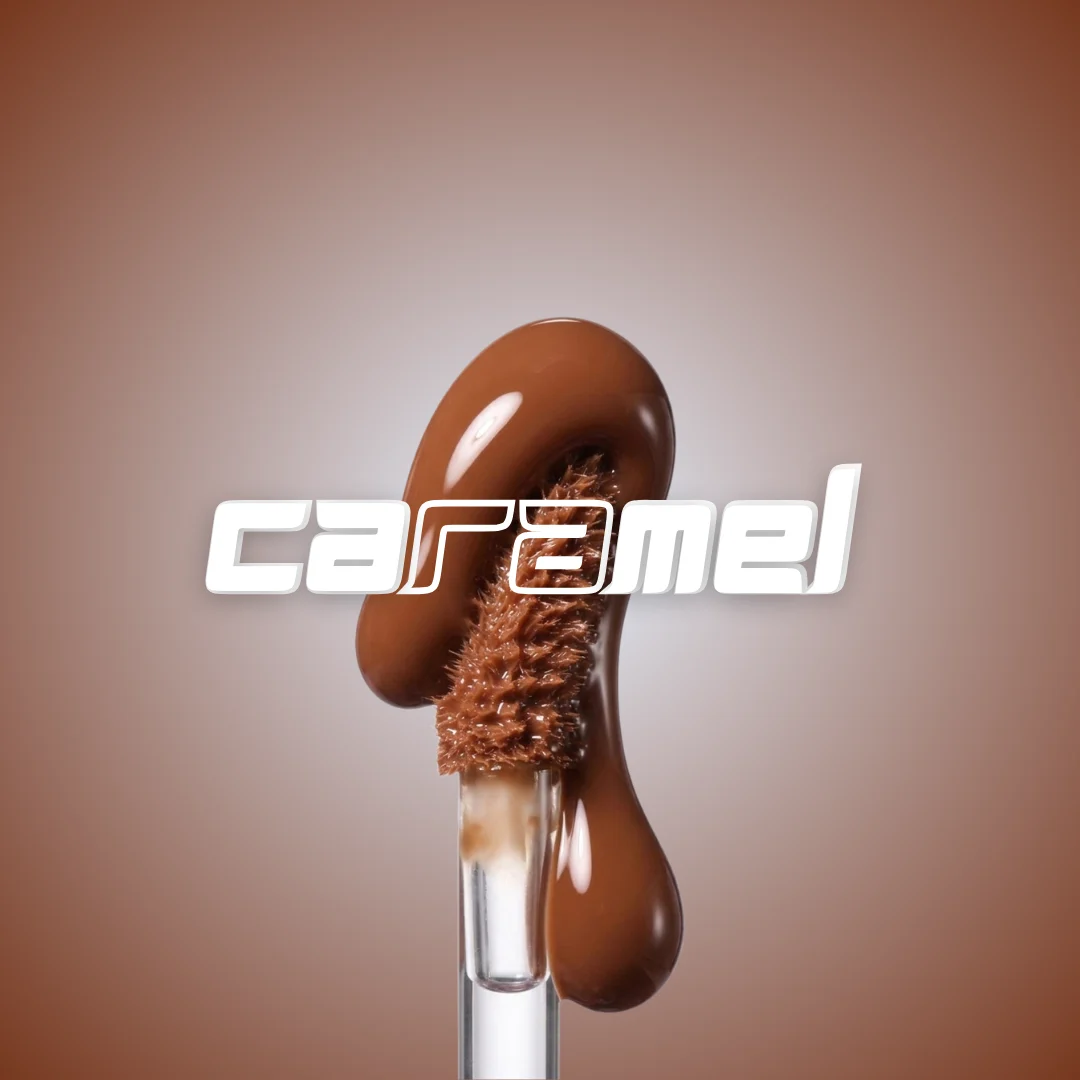
- For chapped lips: Prioritize oils with coconut oil, jojoba oil, or vitamin E (e.g., Kuri Caramel Lip Oil).
- For pigmentation: Opt for products with natural pigments and antioxidant-rich ingredients like raspberry seed oil.
- For a matte finish: Avoid heavy oils and choose lighter, fast-absorbing tints.
Step-by-Step: Applying Hydrating Lip Tint for Even Color
- Exfoliate gently with a soft cloth to remove dead skin.
- Apply a thin layer of hydrating oil (like Kuri Blueberry Lip Oil) to plump lips.
- Use a lip brush for precise application of the tint.
- Blot with a tissue and reapply for longer wear.
Hydrating Lip Tint vs. Matte Lip Tint
Hydrating tints are ideal for dry lips, offering long-lasting moisture and plumpness. They’re less likely to feather or flake. Matte tints provide a velvety finish but may emphasize dry patches. For sensitive or cracked lips, hydrating options are more comfortable and healing.
Common Mistakes to Avoid
- Overapplying tint, which can lead to sticky residue.
- Using products without SPF for daytime wear (check labels for added protection).
- Applying tint without priming dry lips, causing uneven color.
When to Consult a Dermatologist
If pigmentation persists despite consistent use of hydrating tints or if lips crack despite hydration, consult a healthcare professional. Chronic dryness or dark spots may indicate underlying conditions like eczema or melasma.
This article is for informational purposes only. Always consult a healthcare professional.