
2026 Lip Oil Trends: Hydrating, Pigmented, and Clean Beauty Must-Haves
Discover 2026's top lip oil trends: clean, pigmented formulas that hydrate and protect. Explore KuriCares’ multi-functional oils for chapped lips and even tone.
Can Lip Oil Replace Traditional Lip Balm?
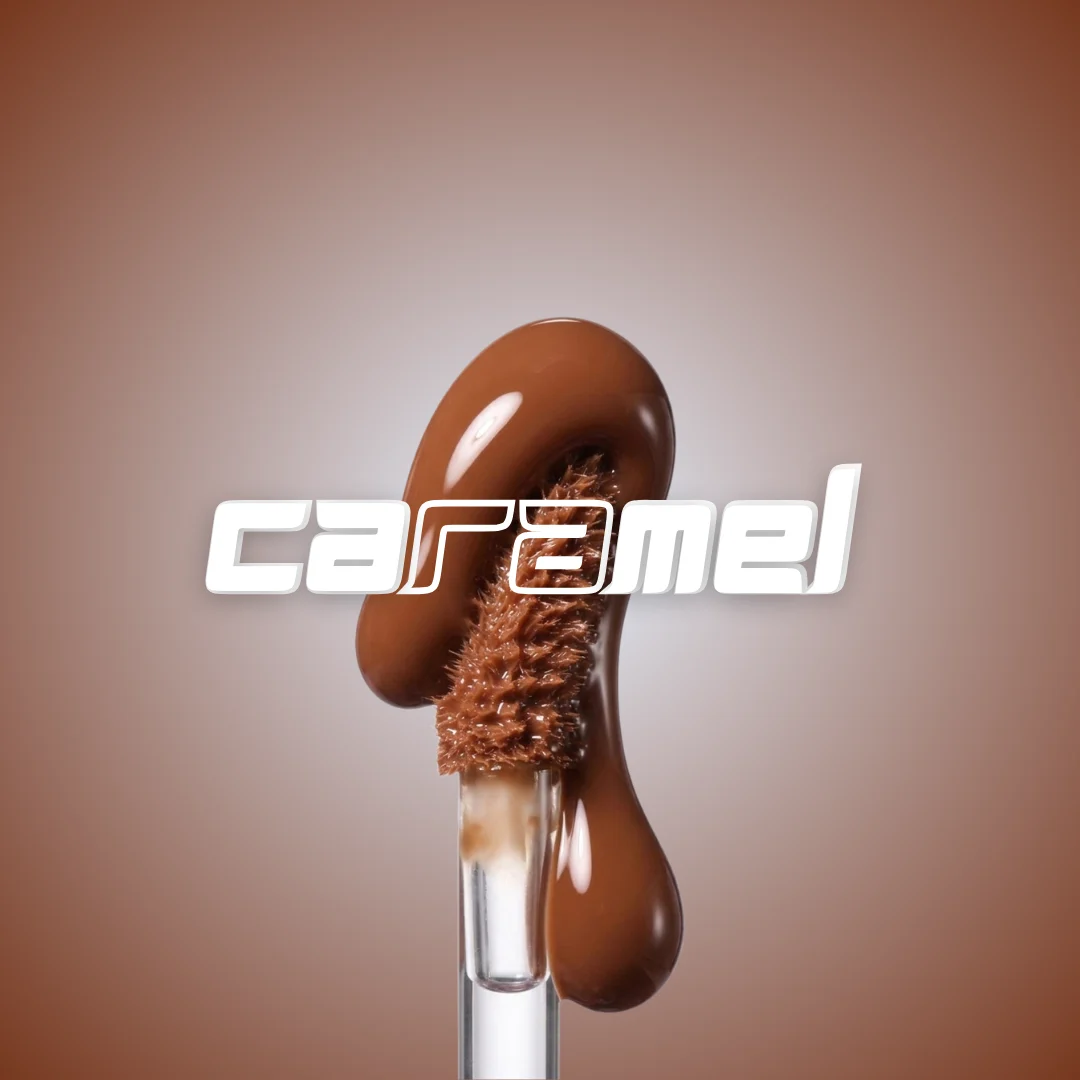
Modern lip oil formulas now combine hydration, color, and skin-protecting ingredients like SPF or ceramides. Unlike traditional balms, many 2026 lip oils offer a lightweight, non-greasy finish while addressing pigmentation and dryness. For example, KuriCaramel Lip Oil uses Raspberry Seed Oil and Vitamin E to deeply hydrate and fade dark spots, making it a versatile alternative to standard balms.
Best Times to Apply Pigmented Lip Oil
For optimal results, apply pigmented lip oil during key moments in your routine:
- Morning: Layer under makeup for a natural tint and all-day hydration.
- Midday: Reapply to refresh color and combat dryness caused by sun exposure.
- Evening: Use as a sleep mask to repair overnight with oils like Avocado and Jojoba.
Are Natural Lip Oils Effective for Chapped Lips?
Natural lip oil formulas can be just as effective as medicated products when crafted with skin-repairing ingredients. Look for oils containing:
- Shea Butter: Restores moisture barriers.
- Avocado Oil: Penetrates deep to heal cracks.
- Vitamin E: Fights free radicals and prevents further dryness.
How to Choose Lip Oil for Chapped Lips with Dark Spots?
For dual concerns, prioritize lip oils with:
- Pigmentation-fading agents: Ingredients like Raspberry Seed Oil target uneven tone.
- Hydrating bases: Fractionated Coconut Oil or Avocado Oil prevent flaking.
- Non-comedogenic formulas: Avoid pore-clogging waxes for sensitive lips.
Do Lip Oils with SPF Protect Against Sun Damage?
Lip oils containing SPF (often 15-30) offer UV protection, but reapplication is key. Unlike traditional SPF balms, many 2026 formulas blend sunscreens like Zinc Oxide with tinted oils for a sheer finish. Always pair with a broad-spectrum product for maximum defense, especially in high-UV areas. For more, see climate-adaptive lip care tips.
This article is for informational purposes only. Always consult a healthcare professional.